8 Tips for Relocation: Cities to Small Towns in Eastern Colorado
8 Tips for Relocation: Cities to Small Towns in Eastern Colorado
If you’ve decided to get out of the big cities and head to a small towns in Eastern Colorado, embrace the rural lifestyle. Here are eight tips to help adjust to Eastern Colorado. that’s where you’ll notice a different rhythm, community ties, comfort-ability in nature, and a strong heritage.
What You’ll Find in Eastern Colorado
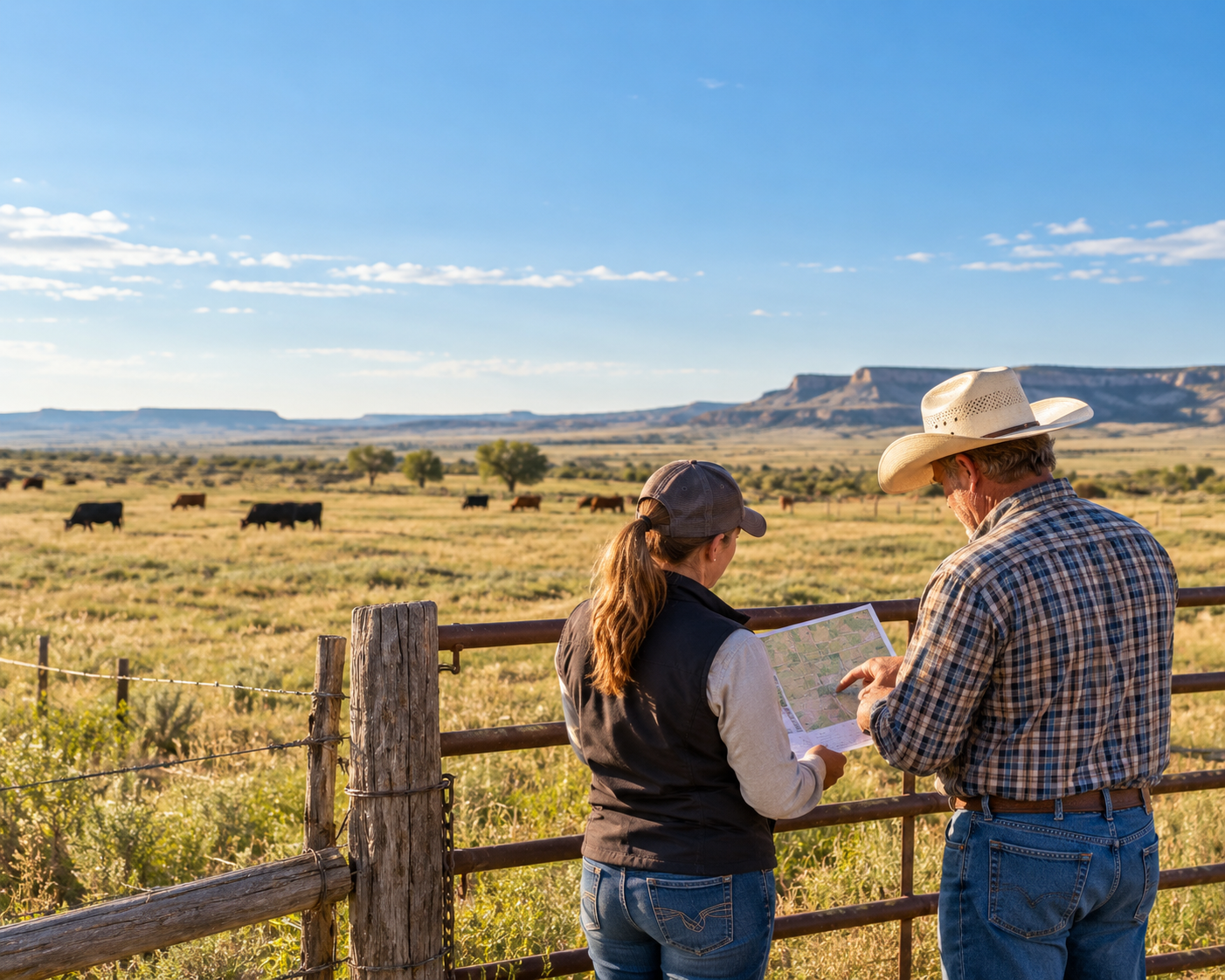
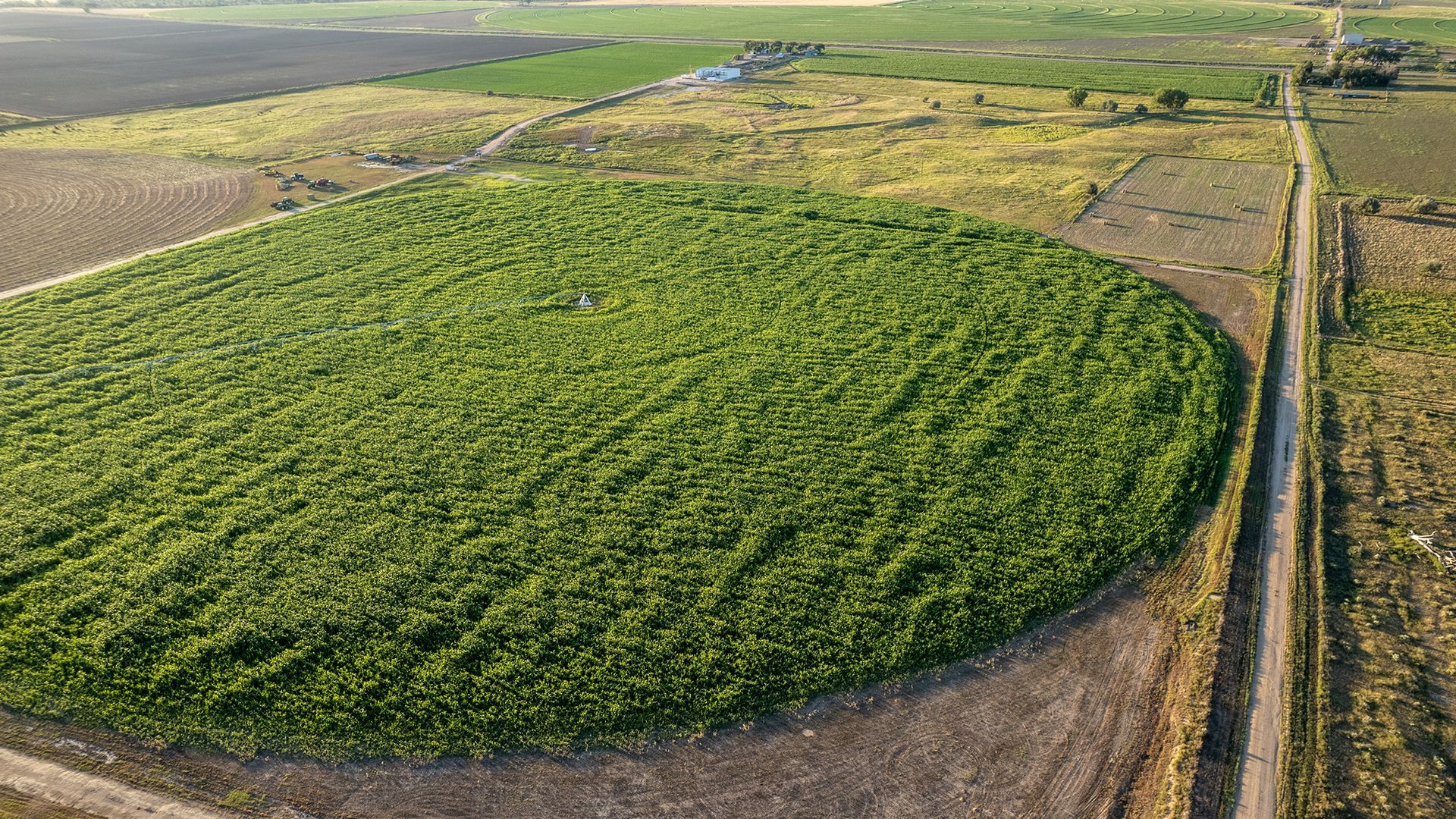
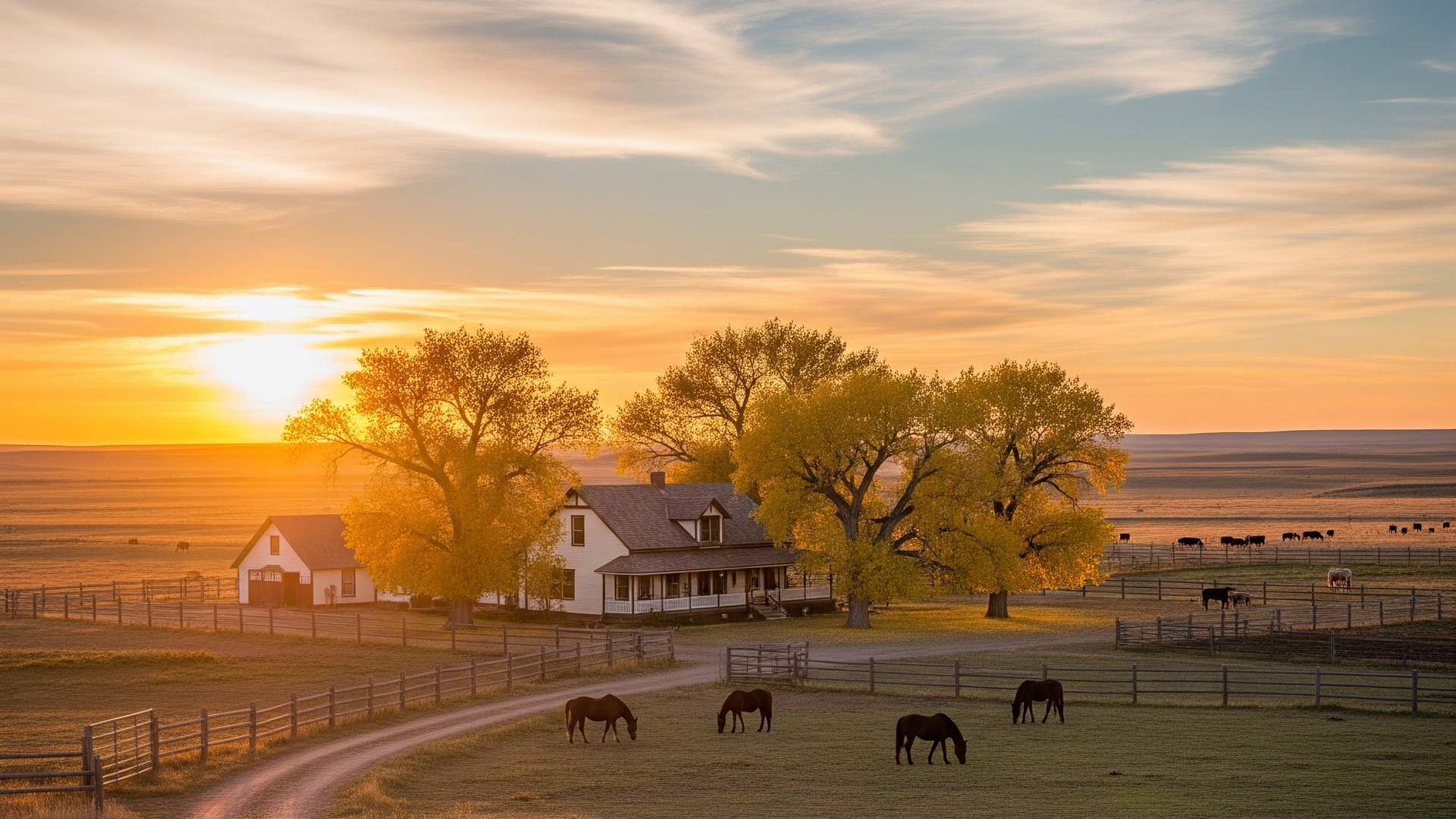
Sweeping prairies surround the small agrarian communities in the High Plains. Big skies abound. Agriculture breezes into the lifestyle. People rise with the sun to tend crops and livestock. Changing weather and Mother Nature may call farmers and ranchers to awaken early—up till the long winters offer time for reflection.
Communities feature neighborly warmth and resilience. Close-knit relationships flourish in the small towns and every place in between where residents understand the need to help each other. Potlucks and churches, gatherings, county fairs, and school events create a strong social fabric. Joint purpose brings people out to bail hay, repair fences, and to organize larger fairs and events.
The deep connection to the land, to the open landscape, opens extrasensory powers. You can hear a thunderstorm from far away, even the grazing pronghorns, and you’ll take moments to notice wildflowers blooming along the roadside. People garden, fish, and hike through the whispering fields.
You’ll also find out that families have passed down farms for generations and convey a knowledge of subtleties as well. Find the old timers that will tell you stories. They can point out details and open your heart to a fascination with nature so expect the honesty and humility that comes with arduous work and strong interpersonal relationships in the local cultures.
Still Merging with the Modern World
Not all will be brand new to you. Colorado has adapted to the modern world. You’ll find tractors equipped with GPS and high-speed Internet use for remote schooling and work. Some of these modern amenities may be more limited than you’re used to, but you’ll find the small local stores in farmers markets, small cafés and diners, favorable assets, too. And some people work mobile.
So, the threads of tradition, cooperation and enduring connections to the lands are built on parallel paths over many generations where pioneers and homesteaders preferred the economic uncertainties, isolation, and testy weather to the Interstates and traffic in the metropolitan areas. This gives space for enjoying spectacular sunsets. It gives the satisfaction of having completed physical tasks, and it rewards the residents of homes in Eastern Colorado with the ability to see the twinkling stars night after night.
8 Tips for Success
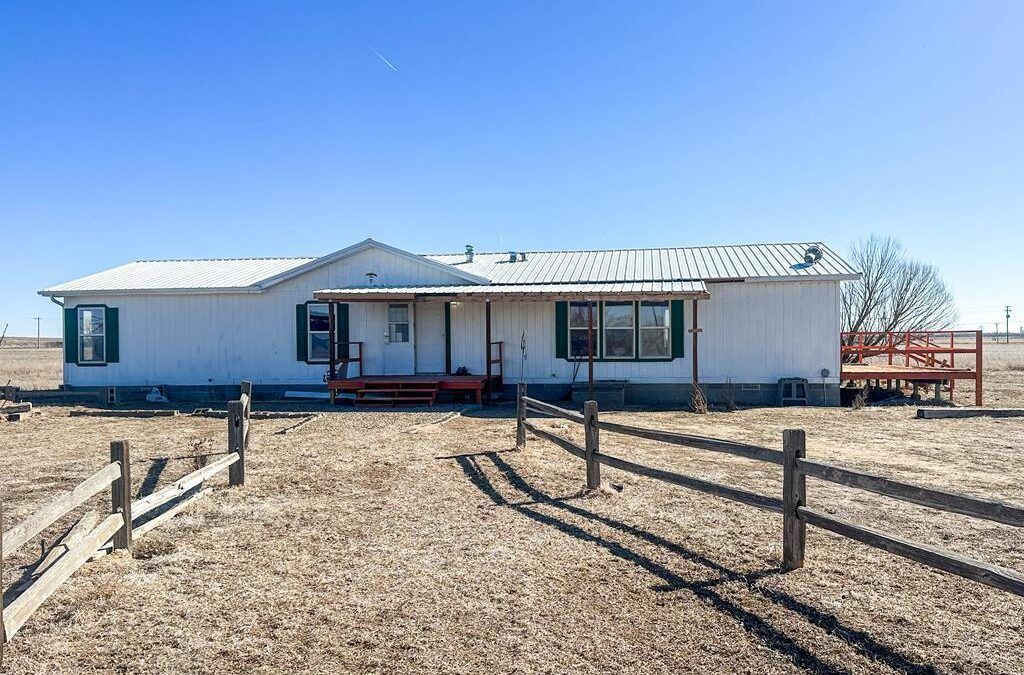
So be wise and embrace the goodness of small agrarian towns in Eastern Colorado. Homes for sale in Eastern Colorado will surprise you with lower price tags and lots more space. May these 8 tips make it a fun and rewarding choice!
- Embrace the slower pace and gentle or rhythm. Love the quiet mornings and absence of crowds and delve into the muted beauty all around you.
- Build relationships. Introduce yourself and extend your heart. Create long-term connections.
- Get involved locally by joining community events and volunteering, attending town meetings. Participate.
- Support local businesses. Shop at family run stores in farmers markets and small cafés. You’ll find unique items and help the local economy to flourish.
- Learn the landscape. Study the geography, traditions, and history of your new Colorado town. If you understand the local environment, you will feel more rooted.
- Adapt your expectations. There will be fewer amenities and services as you find in the city. For example, your Internet service may be slower. Take the time to simplify.
- Discover new hobbies that connect you to your surroundings. You might find gardening and hiking, building and creating to be extremely rewarding in this new cycle.
- And be patient and respectful of long-standing customs and ways of doing things in your new community.
Realtors – Colorado Land, Farms and Ranches
For more information about relocating to Eastern Colorado, call Cruikshank Realty at (719) 336-7802. Schedule an appointment or come see us at 20 S. Main Street, Lamar, CO 81052.
The latest from Cruikshank Realty