Can I Live off Farming Income?

Can I Live off Farming Income?

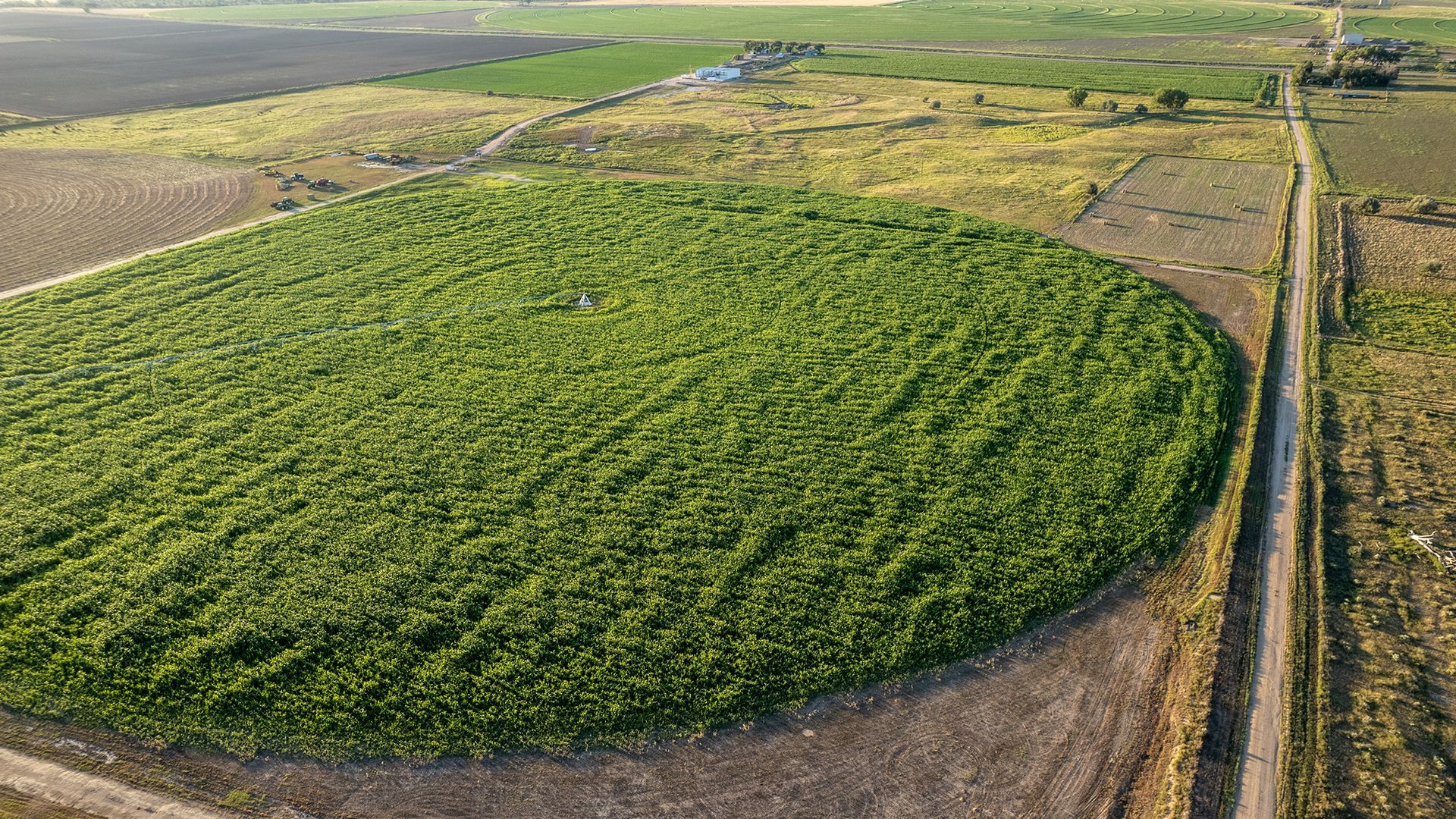
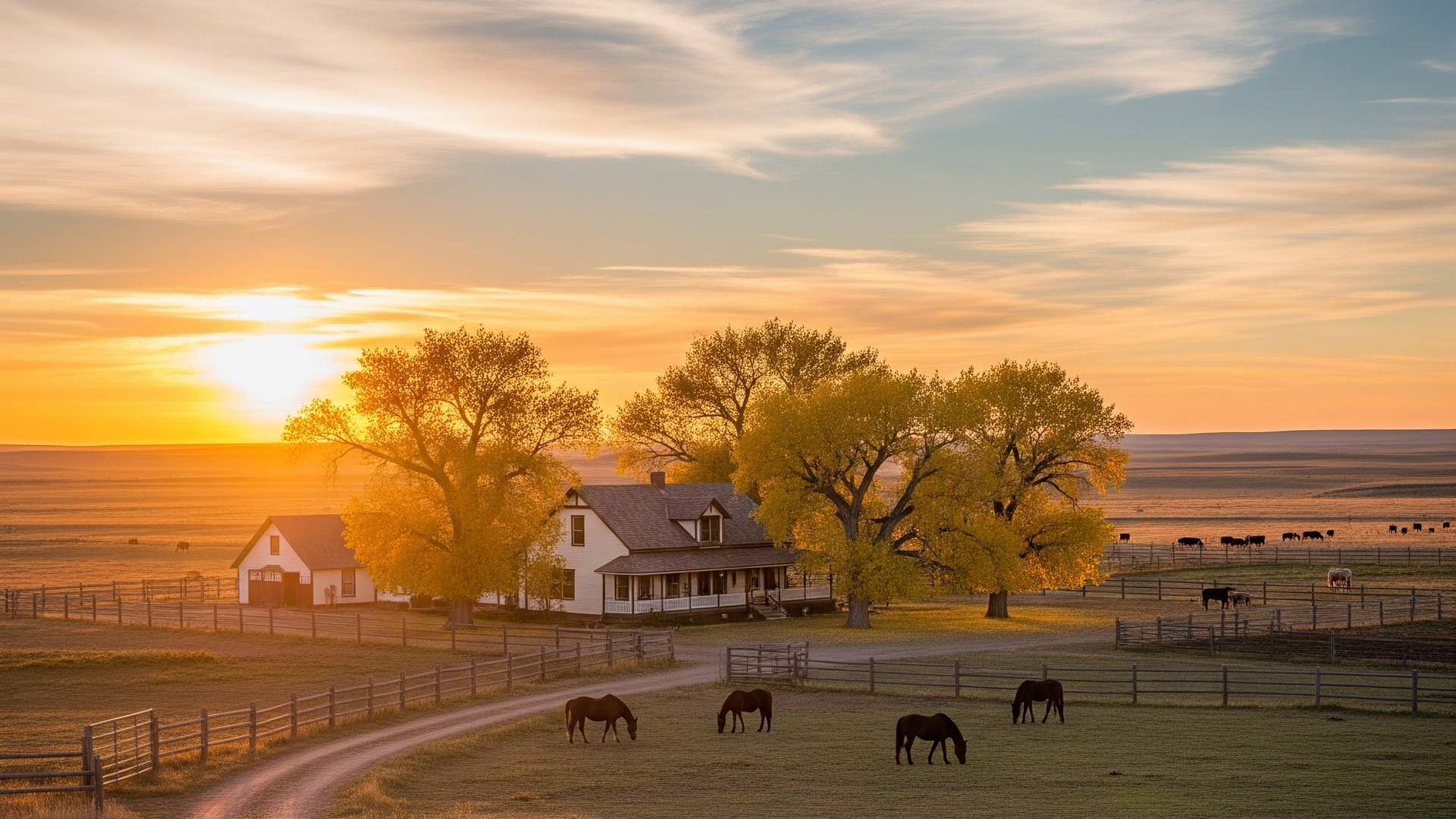
Dozens of factors affect farming income. As these factors often move, farmers adjust to these conditions and often employ other income streams. Do you wonder, Is farming for me? Can you expect to live off the income produced on a farm in southeastern Colorado? Can I live off the farming income?


Affording the Farm and Ranch Lifestyle


Lamar offers stable financial opportunities for anyone with the determination to get farms going and to keep them maintained. And that takes creative genius. So, it’s not a simple equation.


Ask yourself. Do you have resources? Do you appreciate the small towns in southeastern Colorado and their old-fashioned ways? Do you thrive on conquering physical projects? Do you think of a small farming operation or do you want to be involved in a large production? Which agricultural properties catch your attention?


Historical Farms


Although Colorado has strong agricultural communities, the types and sizes of farms and ranches have changed dramatically over the past century. Homesteaders used to produce a variety of foods—meats, grain, and fruits and vegetables. They were family farms and the family worked them. Small family farms make up about 88 percent of farms in the United States today.


Commercial Farms


Witness endless commercial farms leading into Denver with colorful fields owned by large corporations. Across the nation, these big producers make up only 3 percent of the farms by number. But they produce 54 percent of the yield.


Even so, we continual see movement away from cities and towards small organic farms, farmers markets, and farm to table opportunities.


Farm Household Incomes


The United States Department of Agriculture or USDA gives us some idea. Its Economic Research Service offers an overview with figures for 2022 and updated in February 2024. This may give you some information to help you study the feasibility of living on farming income.


In 2022, small and big farm owners experienced a median household income of between $95,418 and $505,830. That exceeds the median household income in the United States. The income increased based on the size of the farm and the off-farm employment.


Small vs Large Farms – Income Breakdowns


Farms submit accounting figures to the government in GCFI. Eighty-eight percent of all farms produce less than $350,000 in GCFI, putting them into the category of small family farms. Most dollar production comes from large farms, defined by at least $1 million in GCFI but only 3 percent of farms produce this much.


Regardless of size, gross cash farm income or GCFI includes:

  • Commodity cash receipts
  • Farm-related income
  • Federal Government payments
  • Off-Farm Employment


Just so you know, many farm owners lease out portions of their properties for income. In addition, it’s not unusual to find farmers who develop multiple income sources. For example, a cattle/calf operation can increase farming income. In fact, in 2022, farms across the nation brought in $258.5 billion of income by adding cow/calf operations, poultry and eggs, and dairy. These totaled 33 percent, 29.8 percent, and 22.2 percent.


Farms for Sale in Southeastern Colorado


Cruikshank Realty, Inc. in Lamar lists the following Colorado farms and farmland for sale. The properties offer a variety of resources. Prices range from $154,000 to $1,600,000.


  • 20+ acres Lamar CO
  • 15+/- acres in Lamar, CO
  • 20+/- acres in Lamar, CO
  • 50+/- acres in Boone, CO
  • 110+/- acres in Boone, CO
  • 300+/- acres in Cheraw, CO
  • 320+/- acres in Towner, CO
  • 475+/- acres in Holly, CO
  • 600+/- acres in Two Buttes, CO
  • 3350+/- acres in Walsenburg, CO
  • 6030+/- acres in Keyes, OK


Farm and Ranch Brokers – Lamar, Colorado


For more information, please call Cruikshank Realty (719) 336-7802. Schedule an appointment or come by our office at 20 S. Main Street, Lamar, CO 81052. Specializing in Residential, Farm and Ranch Real Estate Sales, Management, Auctions, and Exchanges.


The latest from Cruikshank Realty
by Kathy Flippin 3 August 2026
Preparing to sell land in Colorado? Learn what information helps with a Broker Opinion of Value for farms, ranches, acreage, and commercial property.
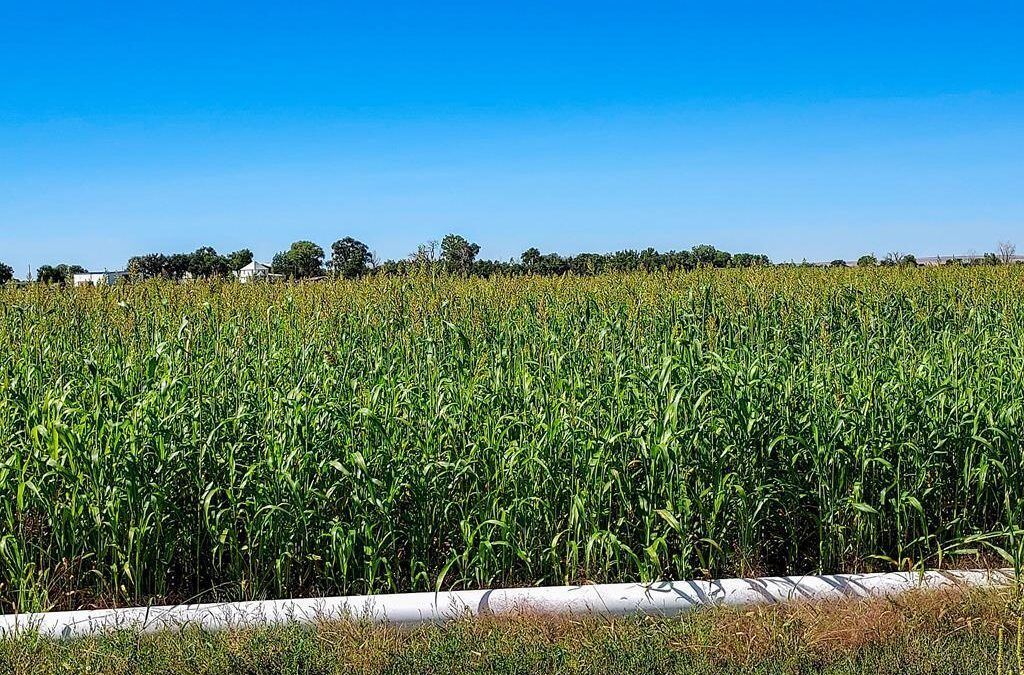
Field under sprinkler irrigation
by Kathy Flippin 9 July 2026
Selling rural property takes more than putting land online. Learn why local market knowledge matters when selling farms, ranches, homes, and acreage in Southeast Colorado.
by Kathy Flippin 8 July 2026
Thinking about buying farm or ranch land in Southeast Colorado? Learn what to consider before purchasing land, acreage, farms, or ranches near Lamar and the surrounding region. Buying farm or ranch land in Southeast Colorado is about more than finding the right number of acres. It is about understanding the land, the water, the access, the improvements, and the long-term purpose behind the purchase. Whether you are looking for a working cattle ranch, productive farm ground, recreational acreage, or a rural home with room to grow, the right guidance can make all the difference. Southeast Colorado offers a unique mix of agricultural opportunity, wide-open space, small-town communities, and long-term land ownership potential. Buyers are often drawn to this region because of its ranching history, farming roots, affordability compared to many mountain and Front Range markets, and the ability to own land that can serve a real purpose. But before buying land in Prowers County, Bent County, Kiowa County, Otero County, or the surrounding area, there are several important factors to review. One of the first things to consider is water. Water access, wells, irrigation rights, stock water, ponds, and ditches can all affect the value and usability of agricultural land. A property may look perfect from the road, but the water situation can determine whether it works for cattle, crops, horses, wildlife, or future improvements. Buyers should ask detailed questions and review available documentation before making an offer. Access is another major issue. Some rural properties have direct county road frontage, while others may rely on easements or private roads. Legal and physical access are not always the same thing. Before purchasing farm or ranch land, buyers should understand how they will enter the property, who maintains the roads, and whether access works year-round. Fencing and improvements should also be evaluated carefully. Good perimeter fencing, cross-fencing, barns, corrals, loafing sheds, grain storage, shops, and working pens can add real value. On the other hand, older improvements may require repairs or replacement. A local land broker can help you determine whether the existing improvements match the asking price and your intended use. Soil quality, grazing capacity, crop history, conservation programs, leases, mineral rights, and utility availability are also important. Some buyers are looking for dryland farm ground. Others want pasture, hunting land, or a mixed-use property. The more clearly you understand your goals, the easier it becomes to identify the right property. For buyers moving from town to country, it is also important to think about lifestyle. Rural properties may come with longer drives, private wells, septic systems, livestock responsibilities, equipment needs, and different expectations than city homes. That is part of the appeal for many buyers, but it should be understood before closing. Cruikshank Realty, Inc. works with buyers and sellers who understand that land is not just a transaction. It can be a business decision, a family legacy, a lifestyle choice, or an investment in the future. When buying farm or ranch land in Southeast Colorado and the high plains, local knowledge matters. A broker who understands agriculture, rural property, valuations, and the local market can help you ask the right questions before you buy. If you are searching for farmland, ranch land, acreage, or rural property in Southeast Colorado, start with a clear plan. Know your goals, study the property details, and work with professionals who understand the land. The right property can serve your family, your operation, and your future for years to come.