How to Prepare Your Land for a Broker Opinion of Value (BOV)
Preparing to sell land in Colorado? Learn what information helps with a Broker Opinion of Value for farms, ranches, acreage, and commercial property.
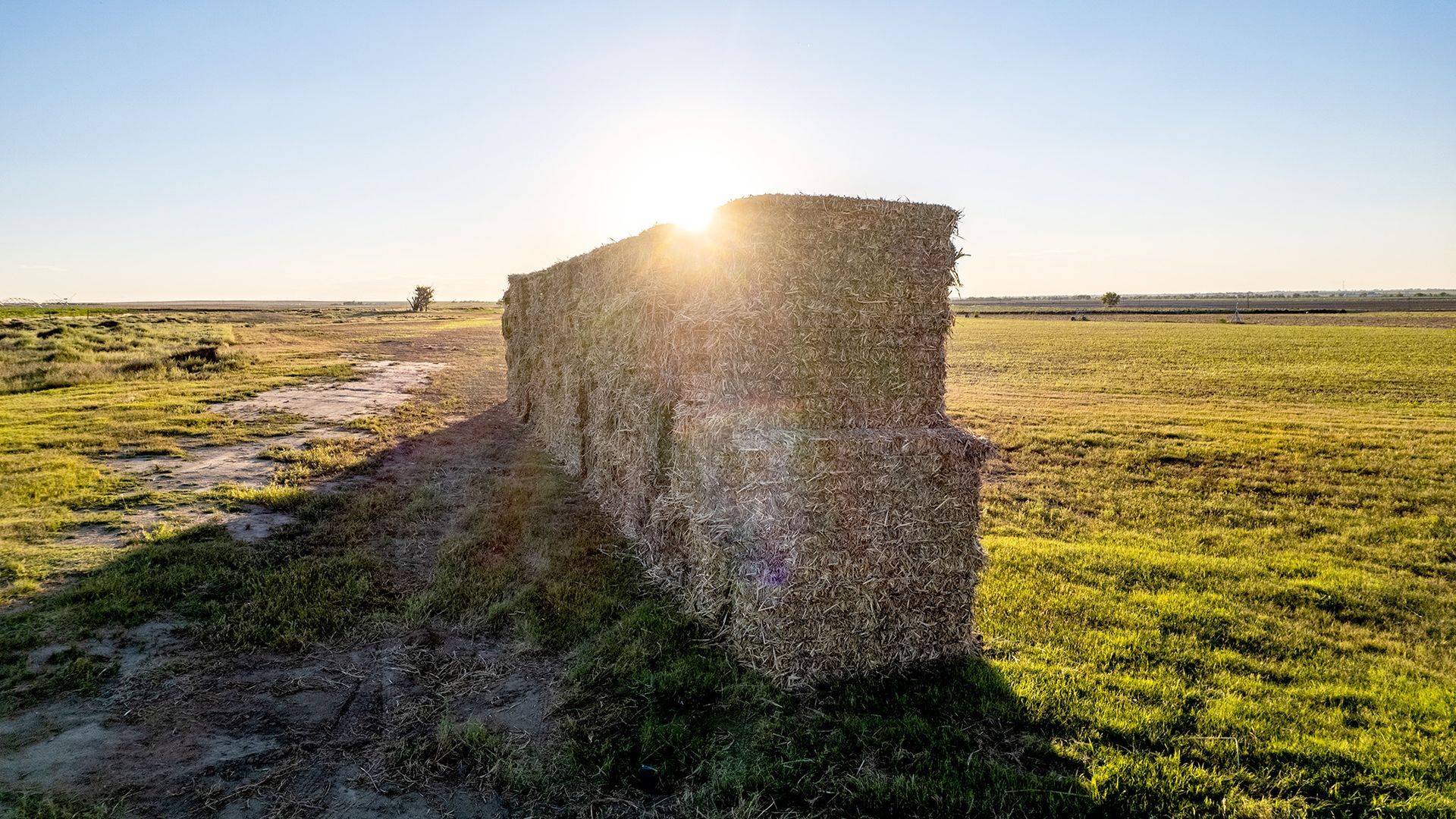
If you are wondering what your land is worth, a Broker Opinion of Value can be an important first step. Whether you own farm ground, ranch land, recreational acreage, development land, commercial property, or a rural home, a well-prepared valuation helps you understand the market and make informed decisions.
A Broker Opinion of Value, often called a BOV, is not just a guess. It is a market-based analysis that considers recent sales, location, property features, demand, improvements, and current market conditions. For rural land in Southeast Colorado, a strong valuation also looks at details that may not appear in a basic online estimate.
Before requesting a land valuation, gather as much information as possible about the property. Start with the basics: acreage, legal description, parcel numbers, property address or general location, and ownership information. These details help the broker identify the property accurately and compare it to relevant sales.
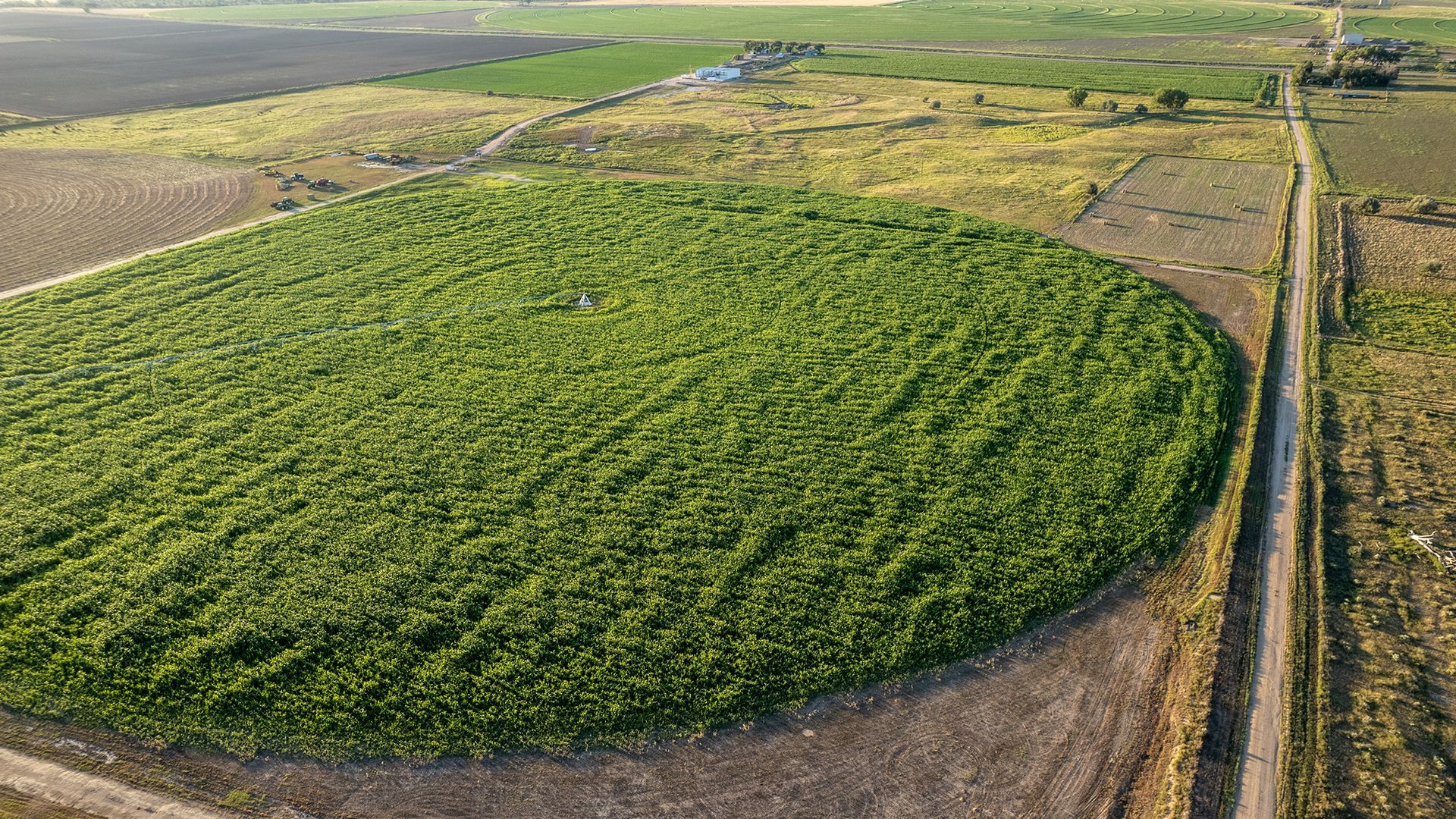
Next, collect information about land use. Is the property irrigated, dryland farm ground, native grass, improved pasture, recreational land, development land, or mixed-use acreage? Has it been leased for farming, grazing, hunting, or other income-producing purposes? Current and past use can affect value.
Water information is especially important. If the property has wells, irrigation rights, ponds, stock tanks, ditches, or other water sources, provide any available documentation. Water can have a major impact on agricultural value and buyer interest. Even basic information about well permits, pumping capacity, or historic water use can be helpful.
Improvements should also be documented. Make a list of homes, barns, shops, grain bins, corrals, fences, working pens, utilities, commercial buildings, septic systems, wells, and roads. Include approximate ages, condition, recent repairs, and any known issues. Good improvements can add value, while deferred maintenance may affect pricing strategy.
If the property has leases, conservation easements, CRP contracts, mineral rights, wind or solar agreements, access easements, or other restrictions, gather those documents as well. Buyers will eventually ask for this information, and it can affect marketability.
Photos can also help, especially if the broker has not yet visited the property. Include images of roads, gates, fencing, water sources, improvements, pasture, crop ground, views, and problem areas. Honest information leads to a better valuation.
It is also helpful to think about your goal. Are you planning to sell soon? Considering an auction? Settling an estate? Dividing family property? Refinancing? Planning for the future? The purpose of the valuation can influence the level of detail needed and the recommended next steps.
A local land broker will also consider the current buyer pool. Land values are influenced by demand from farmers, ranchers, investors, recreational buyers, developers, neighboring landowners, and residential acreage buyers. That is why local market knowledge matters. Rural land is not one-size-fits-all.
Cruikshank Realty provides valuation guidance for landowners who want a clearer picture of their property’s market value. With experience in farms, ranches, land, residential, commercial, and auctions, the team can help property owners understand both value and strategy.
If you are asking, “What is my land worth?” the best answer starts with good information. By preparing property details ahead of time, you help create a more accurate, useful Broker Opinion of Value. That knowledge can give you confidence as you decide whether to sell, hold, auction, improve, or plan for the next generation.
The latest from Cruikshank Realty