The Value of Local Knowledge When Selling Rural Property
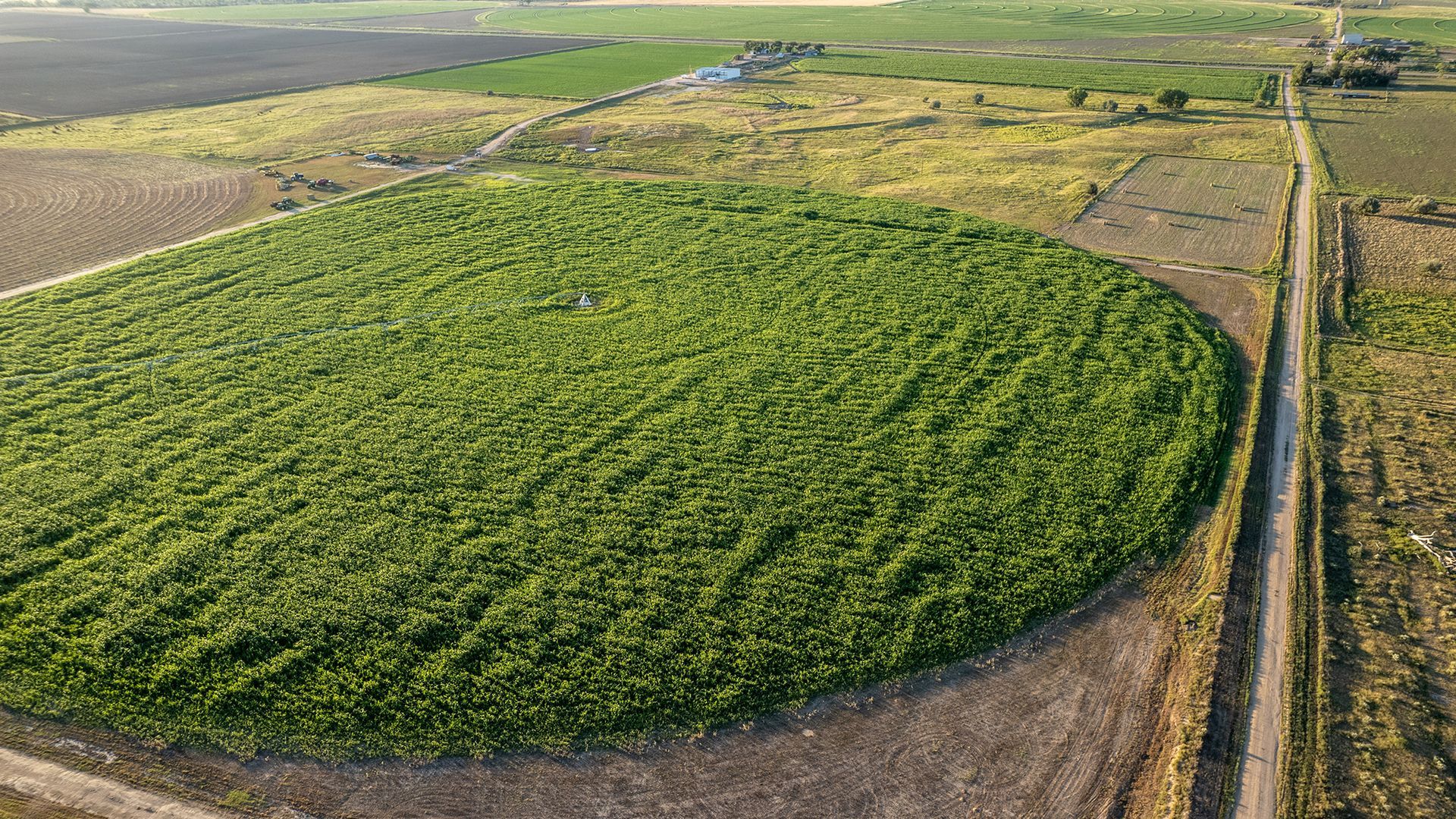
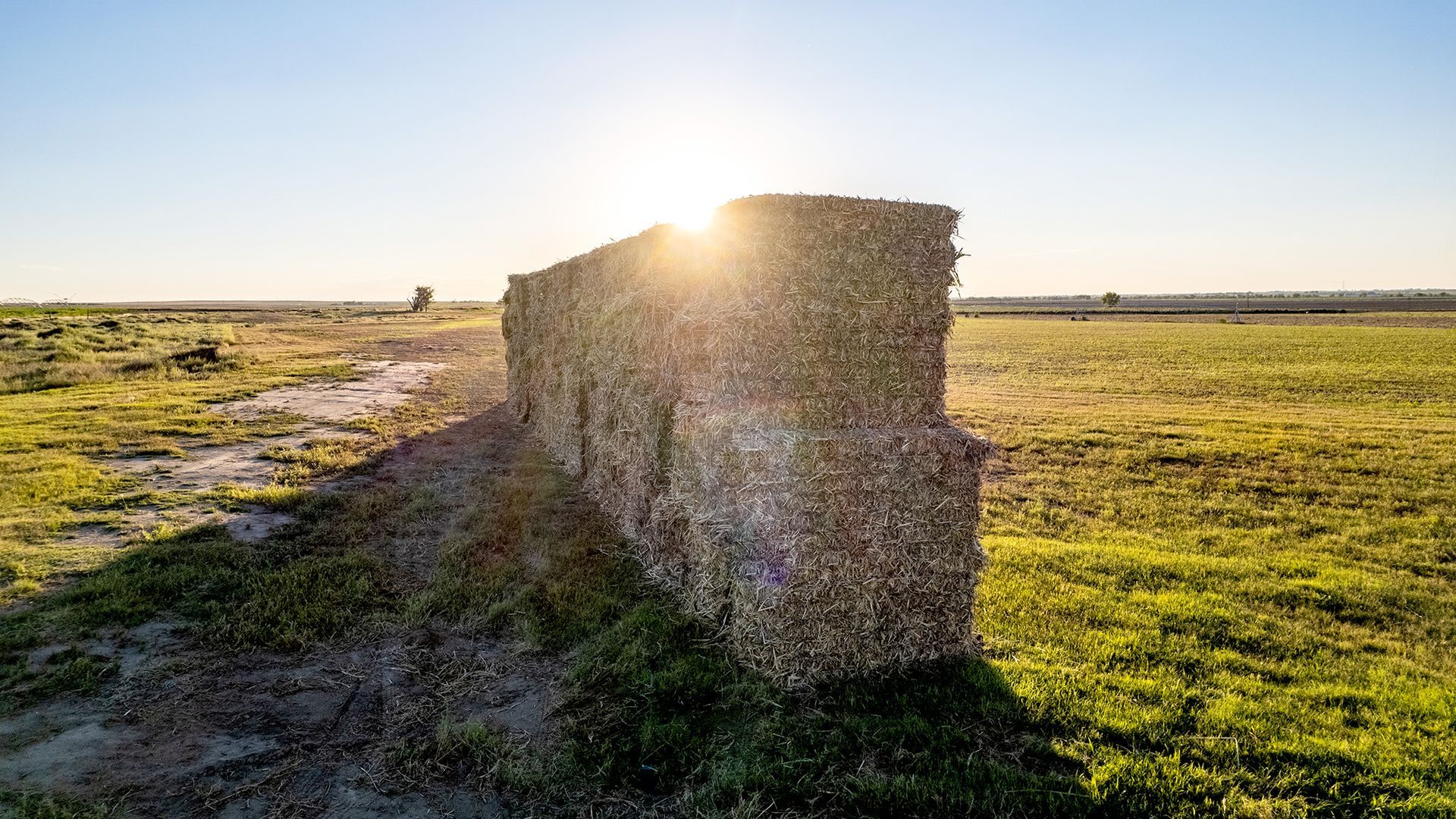
Selling rural property is different from selling a standard home in town. A farm, ranch, acreage, or rural residence often comes with details that do not fit neatly into a basic real estate description. Water, fencing, soils, outbuildings, leases, access, grazing potential, crop history, equipment storage, and location all matter. That is why local knowledge is one of the most valuable tools a seller can have.
In Southeast Colorado, land values can vary greatly from one property to the next. Two parcels may look similar on a map but have very different value based on water availability, productivity, road access, improvements, terrain, or surrounding ownership. A broker who understands the local market can help identify those differences and explain them to buyers in a way that makes sense.
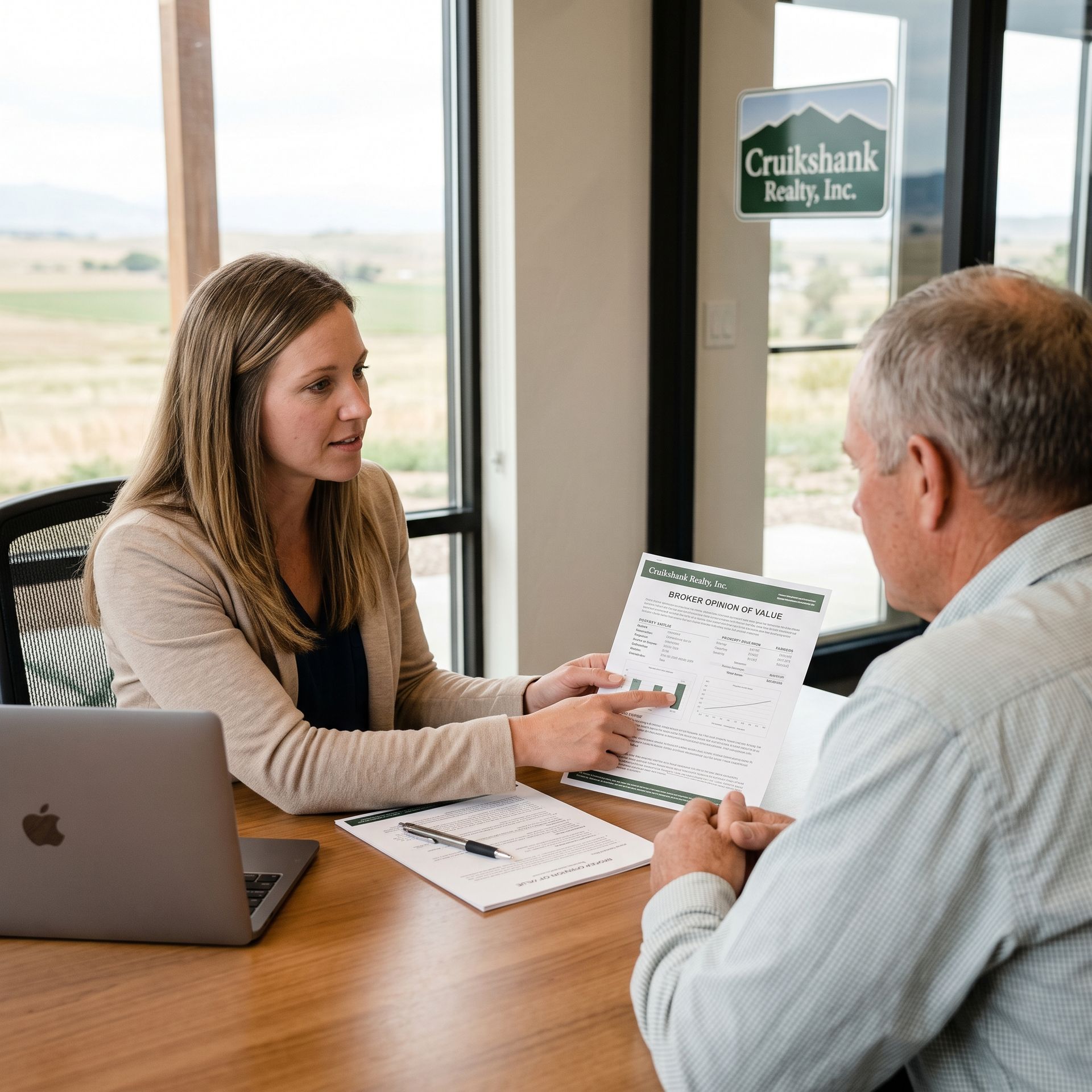
Local knowledge also helps with pricing. Rural properties are not always easy to compare. A residential home in town may have several recent comparable sales nearby. A ranch, irrigated farm, dryland quarter, or mixed-use acreage may not. Pricing requires experience, market awareness, and the ability to evaluate both the land and the improvements. A strong pricing strategy helps attract qualified buyers without leaving value on the table.
Marketing rural property also requires a different approach. The best buyer may be a neighboring landowner, a regional producer, an investor, a family looking for acreage, an outdoor enthusiast, or someone relocating from another part of the country. Effective marketing should reach the right audience and speak their language. A listing that only says “land for sale” may miss the details that serious buyers care about most.
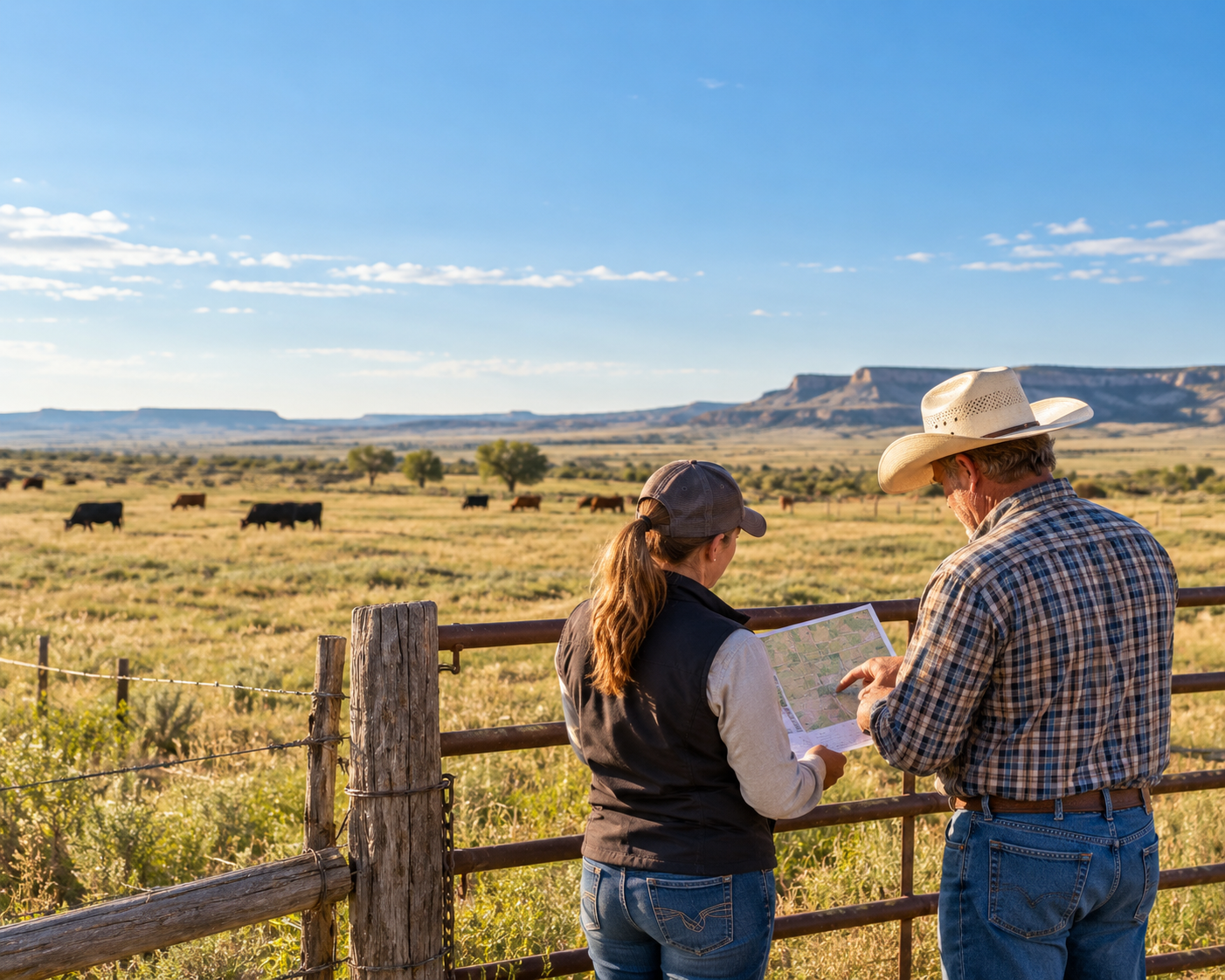
Buyers of farms and ranches often ask very specific questions. How is the property fenced? What is the water source? Are there leases in place? What crops have been grown? Is there hunting potential? What are the utilities? Is the access legal and year-round? Are there conservation easements or restrictions? A local broker can help sellers gather this information before the property hits the market, which can make the selling process smoother.
Local relationships matter as well. Rural real estate is still built on trust. Neighbors talk. Families ask around. Buyers want straight answers. Sellers want to know their property is being represented honestly and professionally. A broker with deep roots in the area can often help create confidence because they understand the people, the land, and the history behind the market.
There is also an emotional side to selling rural property. Many farms and ranches have been in families for years. Some properties represent a lifetime of work. Others are tied to retirement, estate planning, relocation, or family transitions. Selling land is rarely just a financial decision. It is often personal. The right real estate guidance should respect that.
Cruikshank Realty, Inc. understands that rural real estate is about more than acres and asking prices. It is about helping landowners make informed decisions, protect their interests, and find the right buyer. Whether selling a family farm, a legacy ranch, a rural home, commercial property, or investment land, local expertise can help guide the process from valuation to closing.
If you are thinking about selling rural property in Southeast Colorado, do not rely only on online estimates or general market assumptions. Talk with someone who understands your land, your community, and your goals. Local knowledge can be the difference between simply listing a property and truly positioning it for success.
The latest from Cruikshank Realty