Make an Annual Home Maintenance Checklist

Create a Home Maintenance Checklist


Home Maintenance Checklist: Your vehicle requires routine maintenance to run smoothly, and the same goes for your house. Without service reminders, however, it can be easy to forget to tend to all the systems that keep your house fully functioning. Fortunately, you can create a simple annual maintenance checklist to properly care for your home and prevent potential issues from becoming major problems.

Start by making a list of each task you’ll need to complete over the coming year. Make sure your yearly home inspection includes all major systems (HVAC, electrical and plumbing), the interior and exterior of your home, water and septic tanks, doors and windows, and the attic or basement if applicable.

When that’s done, organize the list according to how often each item needs to be checked or maintained and set reminders accordingly. Your home maintenance checklist might start to look similar to this:


Monthly

  • Test smoke and carbon monoxide detectors.
  • Change air filters in the heating and air conditioning system.
  • Clean range hood filters to avoid possible grease fires.
  • Trim back any shrubbery or plant growth around the outdoor HVAC unit by at least 18 inches.


Quarterly

  • Check and wipe down sliding doors and window tracks.
  • Replace batteries in smoke detectors.
  • Test garage door and grease tracks as needed.


Semiannually

  • Clear gutters of spring and fall foliage.
  • Power wash windows and siding.
  • Schedule seasonal service of the HVAC system before summer and winter.


Annually

  • Inspect and insulate pipes to protect them from freezing.
  • Trim trees and shrubs away from the home’s exterior.
  • Touch up exterior paint and check for wood rot or water damage.
  • Check grouting in kitchen and bathroom and repair if necessary.


A home maintenance checklist will make it easier for you to manage the upkeep of your house. It can also help you catch minor issues before they become costly home repairs.


The latest from Cruikshank Realty
by Kathy Flippin 3 August 2026
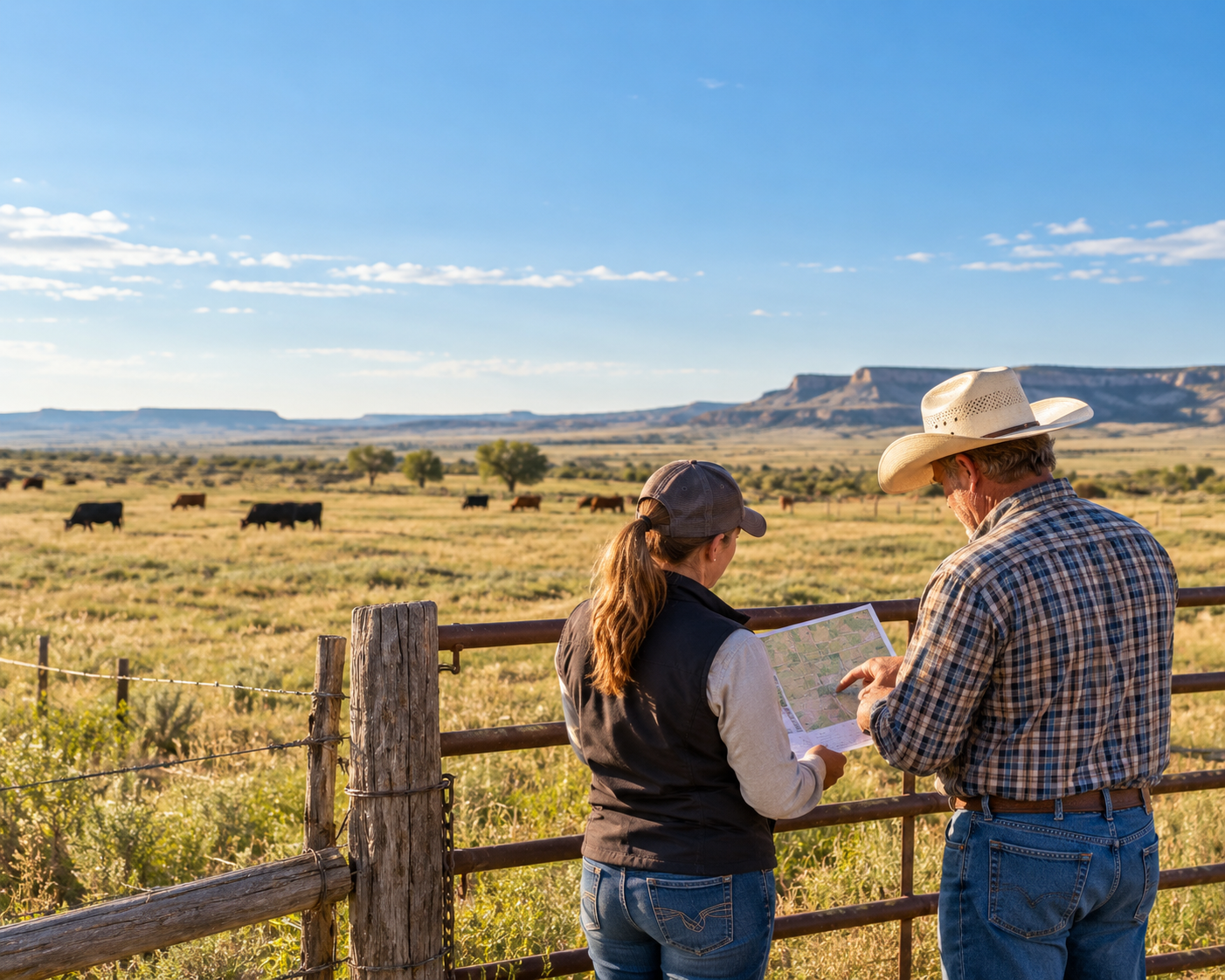
Preparing to sell land in Colorado? Learn what information helps with a Broker Opinion of Value for farms, ranches, acreage, and commercial property.
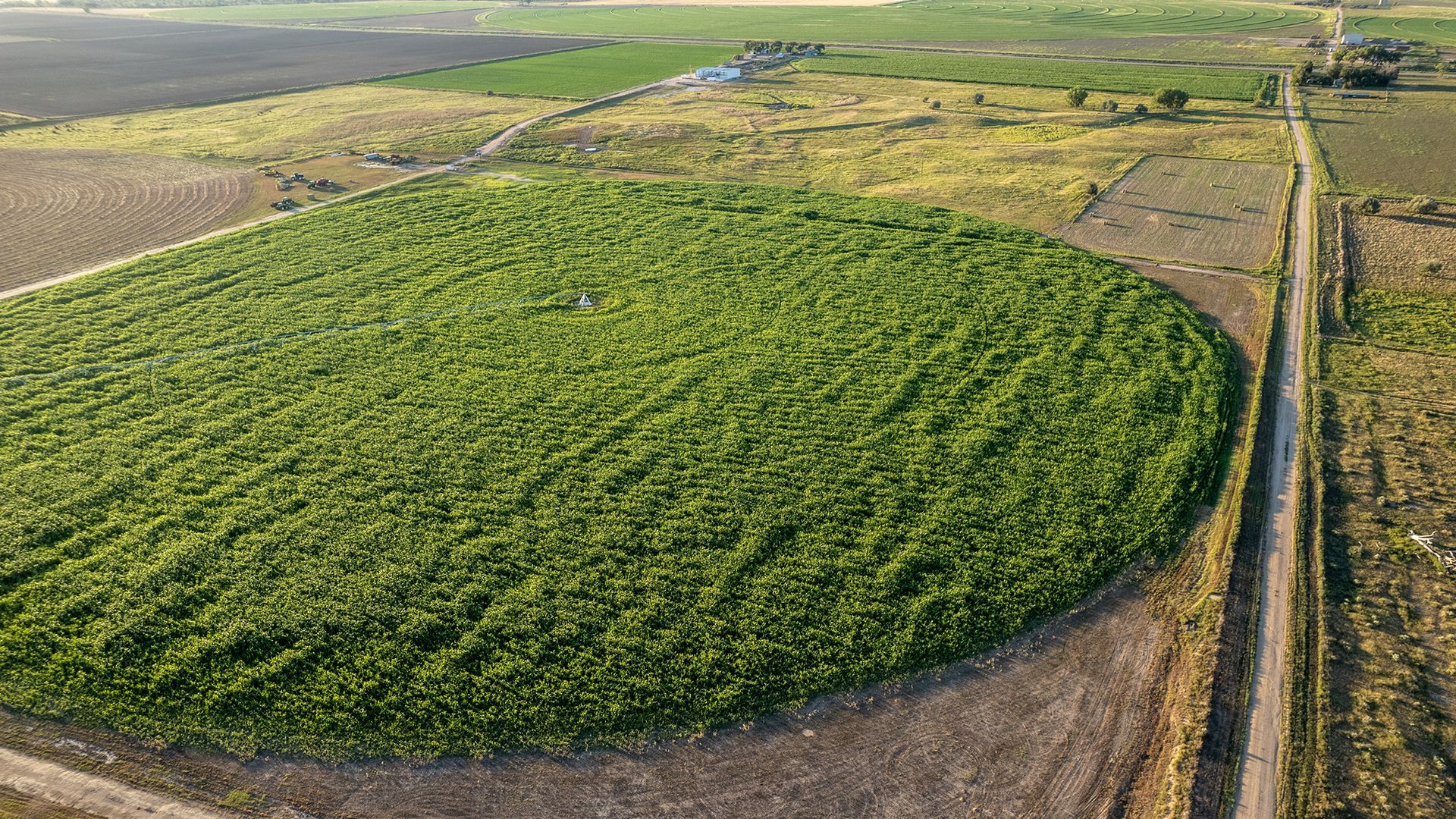
Field under sprinkler irrigation
by Kathy Flippin 9 July 2026
Selling rural property takes more than putting land online. Learn why local market knowledge matters when selling farms, ranches, homes, and acreage in Southeast Colorado.
by Kathy Flippin 8 July 2026
Thinking about buying farm or ranch land in Southeast Colorado? Learn what to consider before purchasing land, acreage, farms, or ranches near Lamar and the surrounding region. Buying farm or ranch land in Southeast Colorado is about more than finding the right number of acres. It is about understanding the land, the water, the access, the improvements, and the long-term purpose behind the purchase. Whether you are looking for a working cattle ranch, productive farm ground, recreational acreage, or a rural home with room to grow, the right guidance can make all the difference. Southeast Colorado offers a unique mix of agricultural opportunity, wide-open space, small-town communities, and long-term land ownership potential. Buyers are often drawn to this region because of its ranching history, farming roots, affordability compared to many mountain and Front Range markets, and the ability to own land that can serve a real purpose. But before buying land in Prowers County, Bent County, Kiowa County, Otero County, or the surrounding area, there are several important factors to review. One of the first things to consider is water. Water access, wells, irrigation rights, stock water, ponds, and ditches can all affect the value and usability of agricultural land. A property may look perfect from the road, but the water situation can determine whether it works for cattle, crops, horses, wildlife, or future improvements. Buyers should ask detailed questions and review available documentation before making an offer. Access is another major issue. Some rural properties have direct county road frontage, while others may rely on easements or private roads. Legal and physical access are not always the same thing. Before purchasing farm or ranch land, buyers should understand how they will enter the property, who maintains the roads, and whether access works year-round. Fencing and improvements should also be evaluated carefully. Good perimeter fencing, cross-fencing, barns, corrals, loafing sheds, grain storage, shops, and working pens can add real value. On the other hand, older improvements may require repairs or replacement. A local land broker can help you determine whether the existing improvements match the asking price and your intended use. Soil quality, grazing capacity, crop history, conservation programs, leases, mineral rights, and utility availability are also important. Some buyers are looking for dryland farm ground. Others want pasture, hunting land, or a mixed-use property. The more clearly you understand your goals, the easier it becomes to identify the right property. For buyers moving from town to country, it is also important to think about lifestyle. Rural properties may come with longer drives, private wells, septic systems, livestock responsibilities, equipment needs, and different expectations than city homes. That is part of the appeal for many buyers, but it should be understood before closing. Cruikshank Realty, Inc. works with buyers and sellers who understand that land is not just a transaction. It can be a business decision, a family legacy, a lifestyle choice, or an investment in the future. When buying farm or ranch land in Southeast Colorado and the high plains, local knowledge matters. A broker who understands agriculture, rural property, valuations, and the local market can help you ask the right questions before you buy. If you are searching for farmland, ranch land, acreage, or rural property in Southeast Colorado, start with a clear plan. Know your goals, study the property details, and work with professionals who understand the land. The right property can serve your family, your operation, and your future for years to come.