Ranches Are Big Farms

Ranches Are Big Farms

If you’re looking for investment land, do you know how to differentiate between ranches or a big farm for sale? The two have many things in common. In fact, technically, all ranches are farms. And both farms and ranches provide food products. Both require industrious farmers and ranchers to maintain them. Owning any large acreage comes with much more work than a city lot.


Difference between Farms and Ranches


There are all different types of farms and even some crossover between farms and ranches.
When you compare the two, you’ll find – acre for acre – farms are more concise and ranches more spread out. We still find some large farms and some small ranches.


While farms produce agricultural products, they may raise livestock who also. The farm’s function is to facilitate agricultural goals and resources. In general, farms produce crops just as ranches usually raise cattle, sheep, or goats.

On a farm, the farmer needs to save himself some steps. Most consolidate activities to a main area. This facilitates the production and storage and dissemination of the agricultural products. In contrast, ranches may be so large that sources of water and feed is available around the acreage. In that case, livestock do not need to return to a central barn every day.


Similarities between Farms and Ranches


There are commercial farms, giant spreads focusing on few crops. And there are small farms, usually personal and often family owned for generations.


The purpose of the work on the farm focuses on tending the land, maintaining soil, or keeping livestock alive. So, we see livestock farms, horse farms, poultry farms, dairy farms, crop farms, a mixture of crops and animals, and everything in between.


Ranches for Livestock


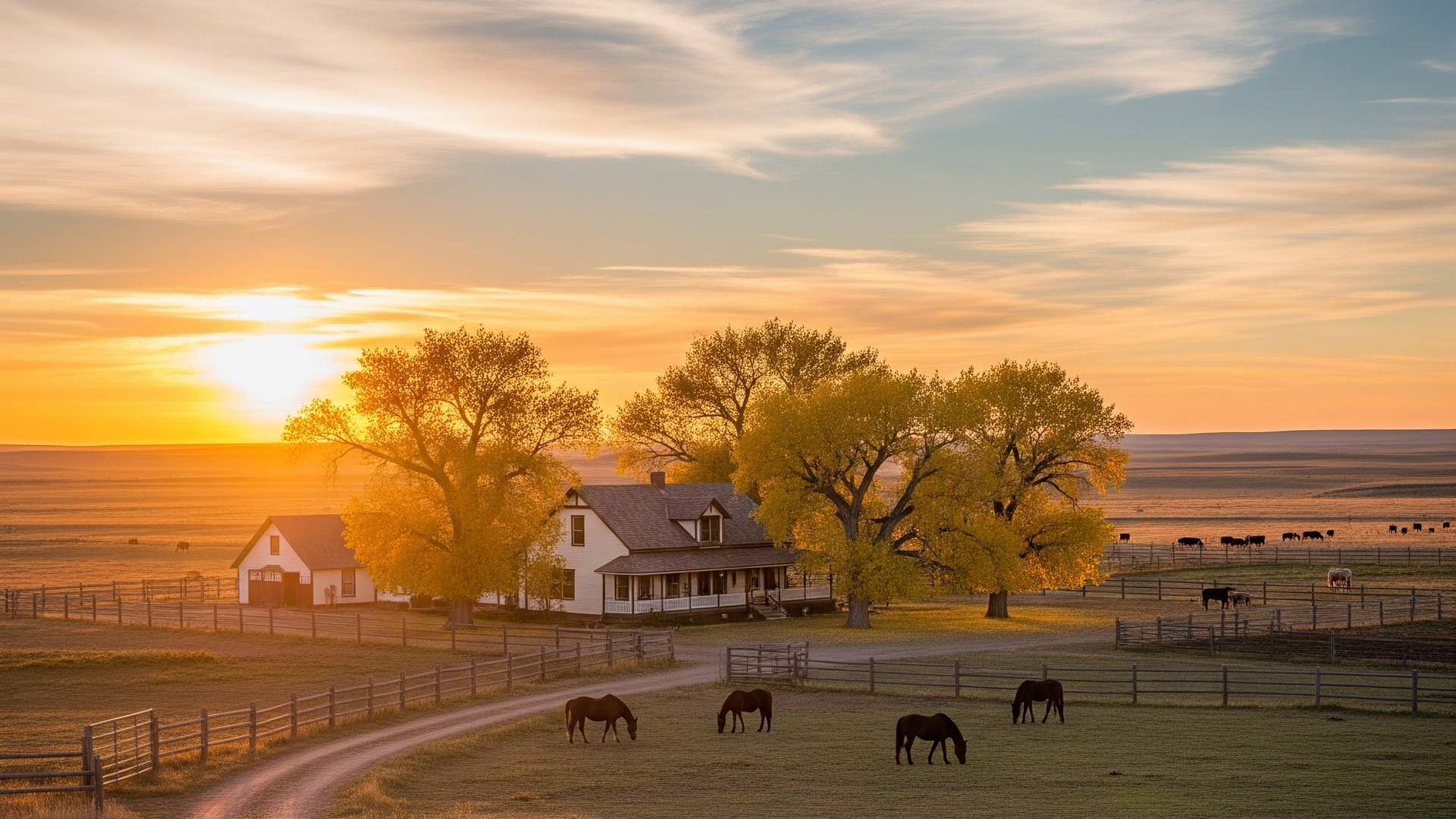
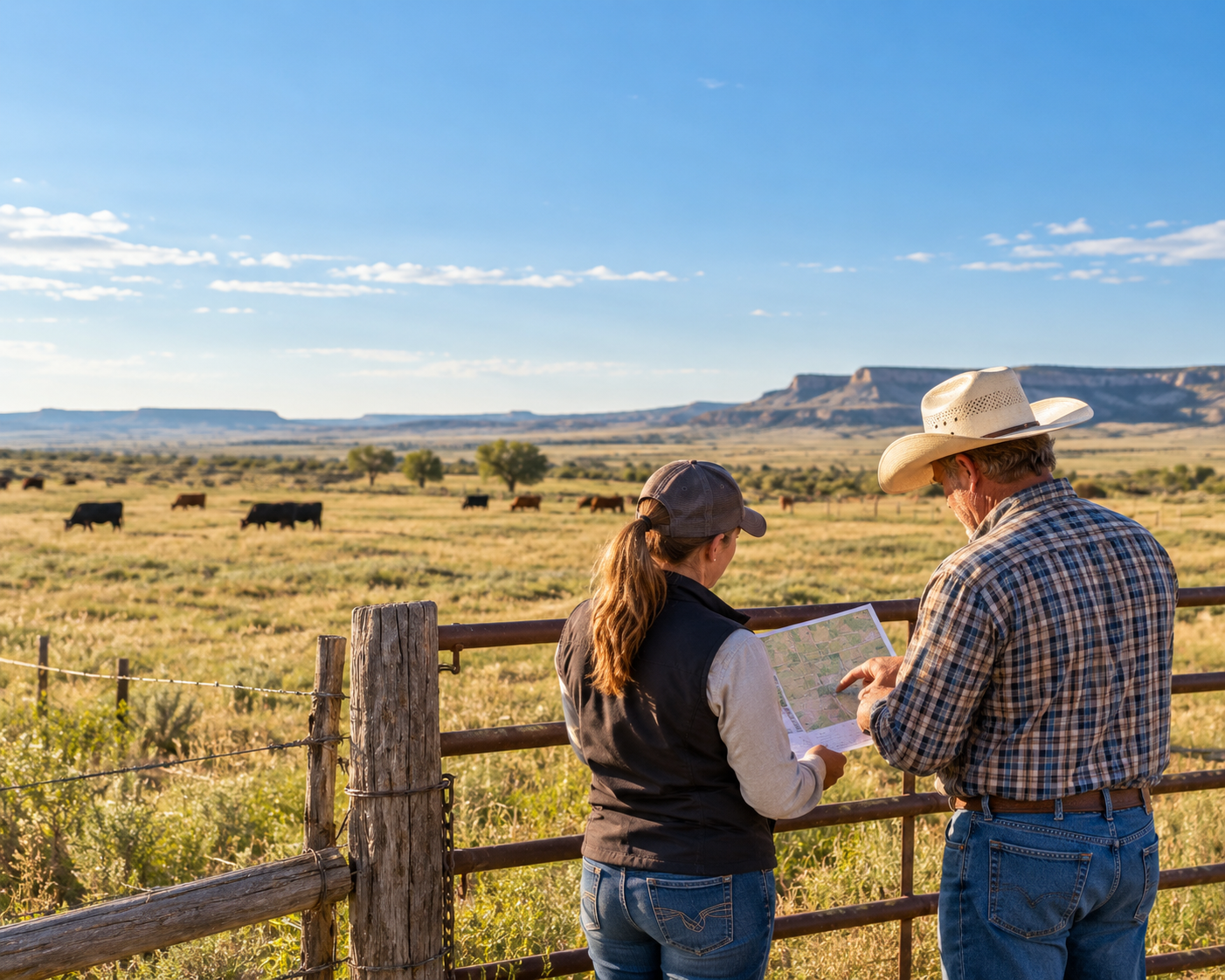
Western ranches tend to be exceptionally large. Livestock is the main product on a ranch. The primary duties of ranchers will be raising and selling livestock. However, some ranchers have added other activities to their properties–hunting, equestrian activities, fishing, ATV riding, and more.


Ranches need to be big to provide extensive land for grazing. About 2.5 acres per cow. Think about the tasks and equipment required to tend animals on a large ranch. Ranchers will need to be provide nutritious pastures. This takes studying the soil, water sources, needs of the animals, and the weather patterns. Animals will graze in many areas over the course of time.


Business of Ranching


Ranchers must also be business minded. They need to buy cattle, sell cattle, and oversee a healthy reproductive cycle. Ranchers find themselves continually upgrading the land and improvements. They maintain equipment and build improvements. For example, they build and mend fences, grade roads and cut trails. `Ranchers establish and protect water supplies and sources. If they operate calving facilities, they will be scrutinizing the ground, fencing, pens, and buildings to ensure the safety of the animals and ranch help. They develop feed sources, including planting hay or nutritious pastures. Yes, they may also keep horses, horse stables, and venture out to move cows on horseback—or 4-wheelers.


How to Shop for Big Farms and Ranches


When it comes time to buying one of these large pieces of land, take the time to investigate thoroughly.


Call (719) 336-7802 or stop by the office at 20 S. Main Street, Lamar, CO 81052 for a visit. Heading up our Farm and Ranch division, Gene comes with personal farming experience along with years of transactions with both farms and ranches.


Your Southeastern Colorado Real Estate Specialists at Cruikshank Realty, Inc. in Lamar, CO serve clients in a broad area. Gene Cruikshank holds licenses for Colorado, Kansas, Oklahoma, and New Mexico. We guide you to real estate investment to best suit your goals. Services range from normal private treaty marketing to Land Auctions.


The latest from Cruikshank Realty
by Kathy Flippin 3 August 2026
Preparing to sell land in Colorado? Learn what information helps with a Broker Opinion of Value for farms, ranches, acreage, and commercial property.
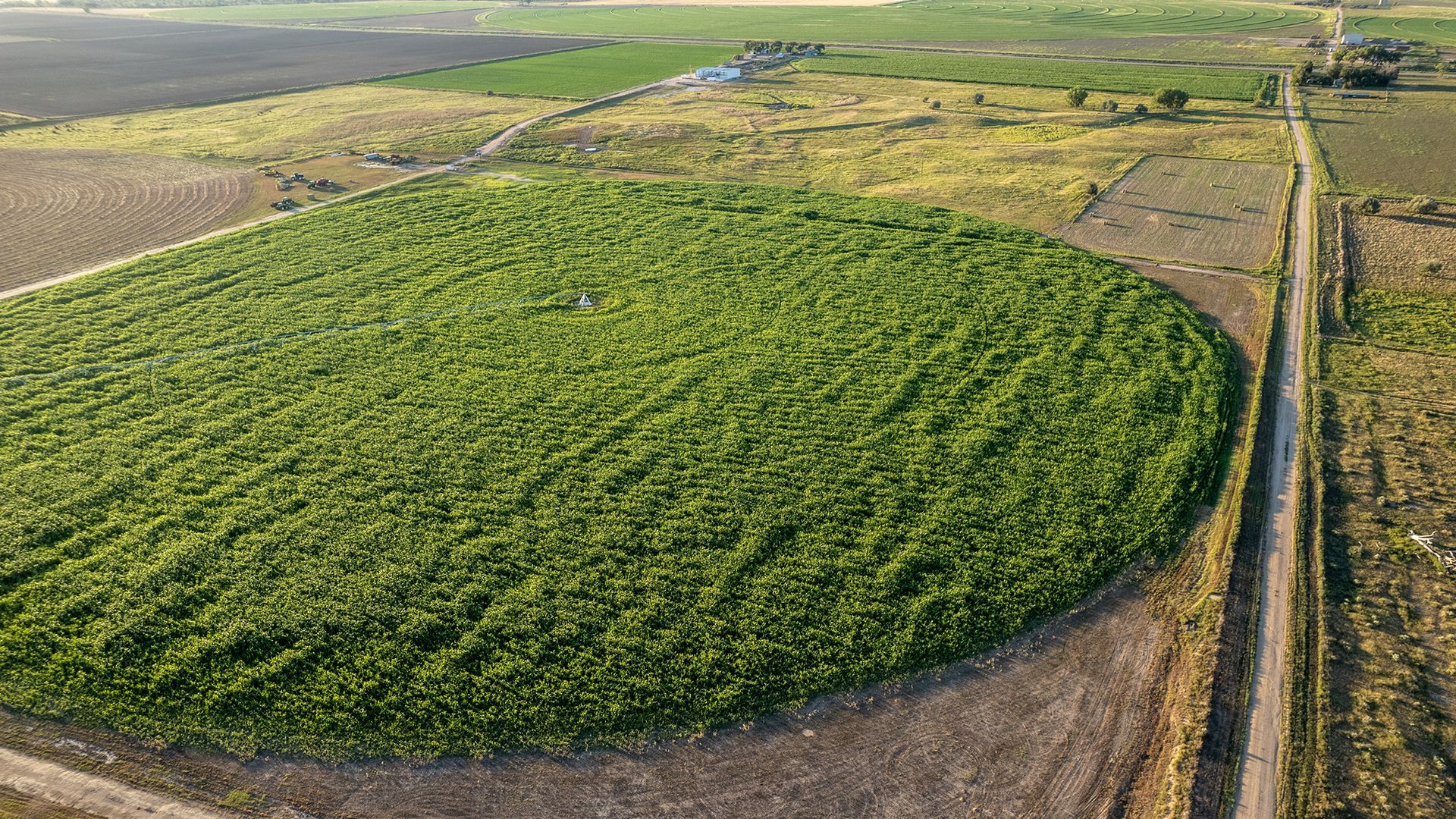
Field under sprinkler irrigation
by Kathy Flippin 9 July 2026
Selling rural property takes more than putting land online. Learn why local market knowledge matters when selling farms, ranches, homes, and acreage in Southeast Colorado.
by Kathy Flippin 8 July 2026
Thinking about buying farm or ranch land in Southeast Colorado? Learn what to consider before purchasing land, acreage, farms, or ranches near Lamar and the surrounding region. Buying farm or ranch land in Southeast Colorado is about more than finding the right number of acres. It is about understanding the land, the water, the access, the improvements, and the long-term purpose behind the purchase. Whether you are looking for a working cattle ranch, productive farm ground, recreational acreage, or a rural home with room to grow, the right guidance can make all the difference. Southeast Colorado offers a unique mix of agricultural opportunity, wide-open space, small-town communities, and long-term land ownership potential. Buyers are often drawn to this region because of its ranching history, farming roots, affordability compared to many mountain and Front Range markets, and the ability to own land that can serve a real purpose. But before buying land in Prowers County, Bent County, Kiowa County, Otero County, or the surrounding area, there are several important factors to review. One of the first things to consider is water. Water access, wells, irrigation rights, stock water, ponds, and ditches can all affect the value and usability of agricultural land. A property may look perfect from the road, but the water situation can determine whether it works for cattle, crops, horses, wildlife, or future improvements. Buyers should ask detailed questions and review available documentation before making an offer. Access is another major issue. Some rural properties have direct county road frontage, while others may rely on easements or private roads. Legal and physical access are not always the same thing. Before purchasing farm or ranch land, buyers should understand how they will enter the property, who maintains the roads, and whether access works year-round. Fencing and improvements should also be evaluated carefully. Good perimeter fencing, cross-fencing, barns, corrals, loafing sheds, grain storage, shops, and working pens can add real value. On the other hand, older improvements may require repairs or replacement. A local land broker can help you determine whether the existing improvements match the asking price and your intended use. Soil quality, grazing capacity, crop history, conservation programs, leases, mineral rights, and utility availability are also important. Some buyers are looking for dryland farm ground. Others want pasture, hunting land, or a mixed-use property. The more clearly you understand your goals, the easier it becomes to identify the right property. For buyers moving from town to country, it is also important to think about lifestyle. Rural properties may come with longer drives, private wells, septic systems, livestock responsibilities, equipment needs, and different expectations than city homes. That is part of the appeal for many buyers, but it should be understood before closing. Cruikshank Realty, Inc. works with buyers and sellers who understand that land is not just a transaction. It can be a business decision, a family legacy, a lifestyle choice, or an investment in the future. When buying farm or ranch land in Southeast Colorado and the high plains, local knowledge matters. A broker who understands agriculture, rural property, valuations, and the local market can help you ask the right questions before you buy. If you are searching for farmland, ranch land, acreage, or rural property in Southeast Colorado, start with a clear plan. Know your goals, study the property details, and work with professionals who understand the land. The right property can serve your family, your operation, and your future for years to come.