Why Land Investors Need Range Management Practices

Why Land Investors Need Range Management Practices
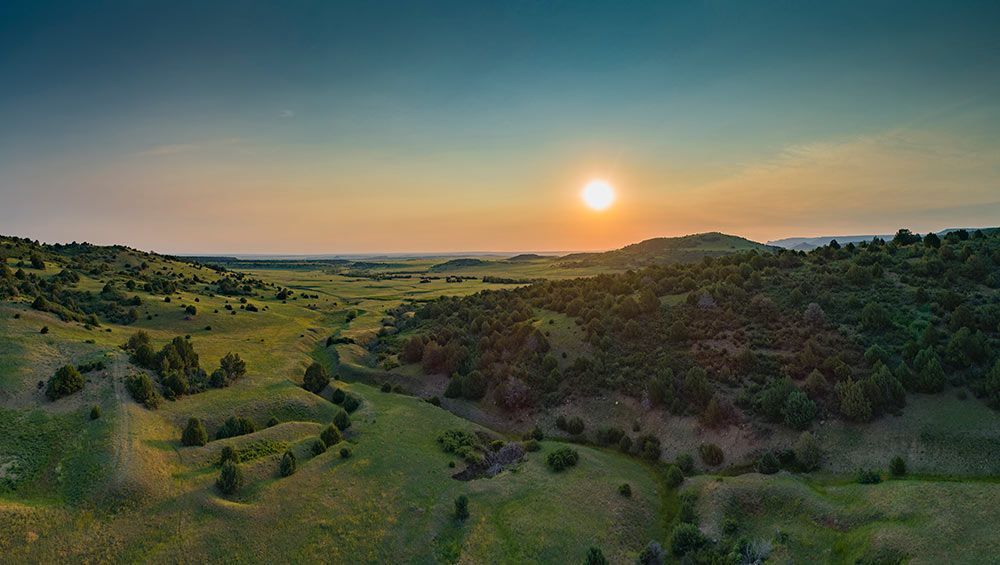

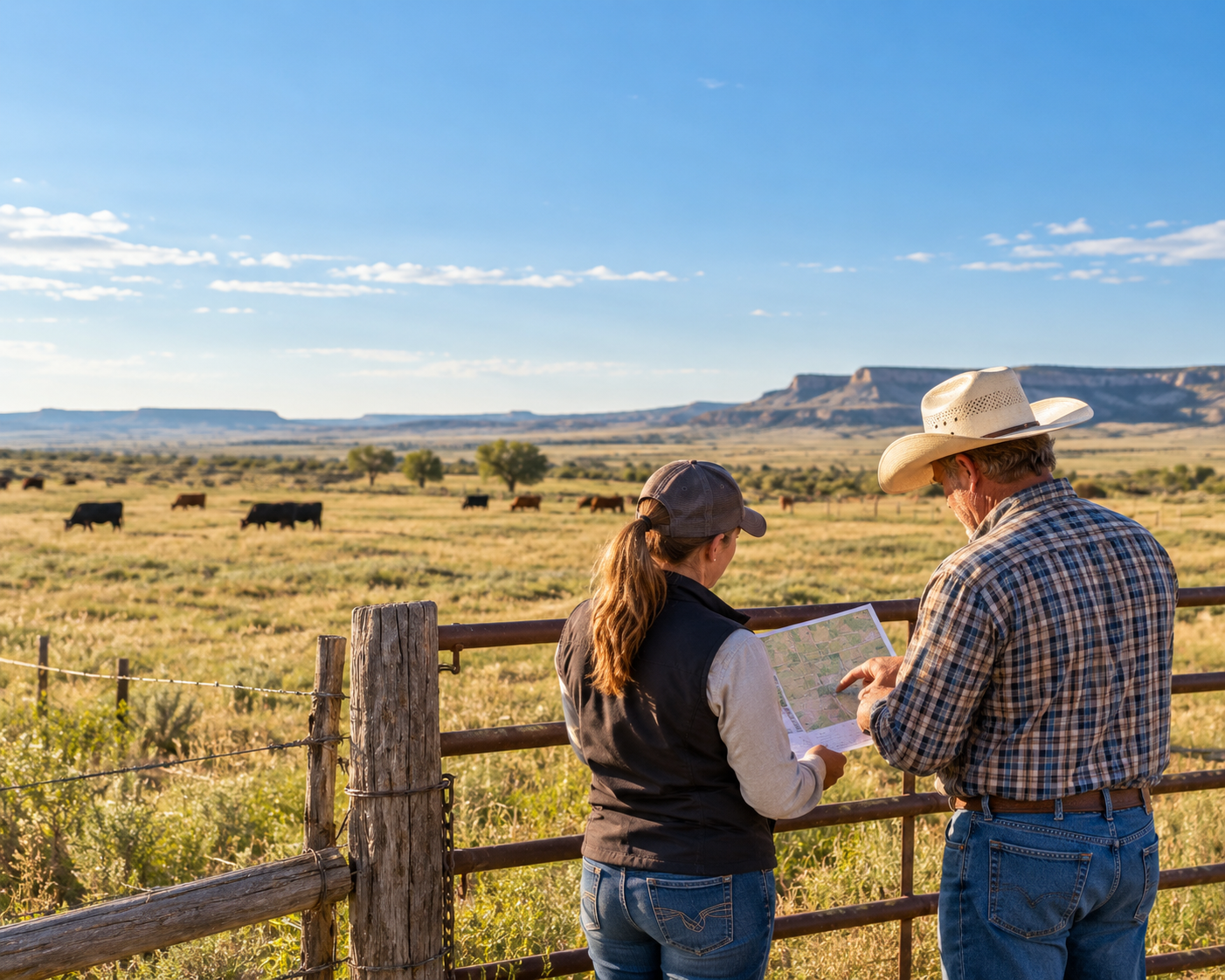
In Colorado, successful land investors need to adopt range management practices. Pastures and rangelands get hit by a gamut of challenges, from weather to regulations to animal health.


Let’s find out why it’s smart to get ahead of the game. A guide on the Colorado State University website entitled, “Range and Pasture Management,” can be a good place to start.


Why Manage Land


Well-managed land brings the highest continuous yield without endangering the range. When landowners determine to successfully manage land investments, they will be effective. But it takes good plans. By creating short-term and long-term plans to care for the land, the value and uses can be improved. Study the range, soil, and water resources. Plan for ranch managers to positively impact the ranch ecosystem.


Millions of Acres of Cropland


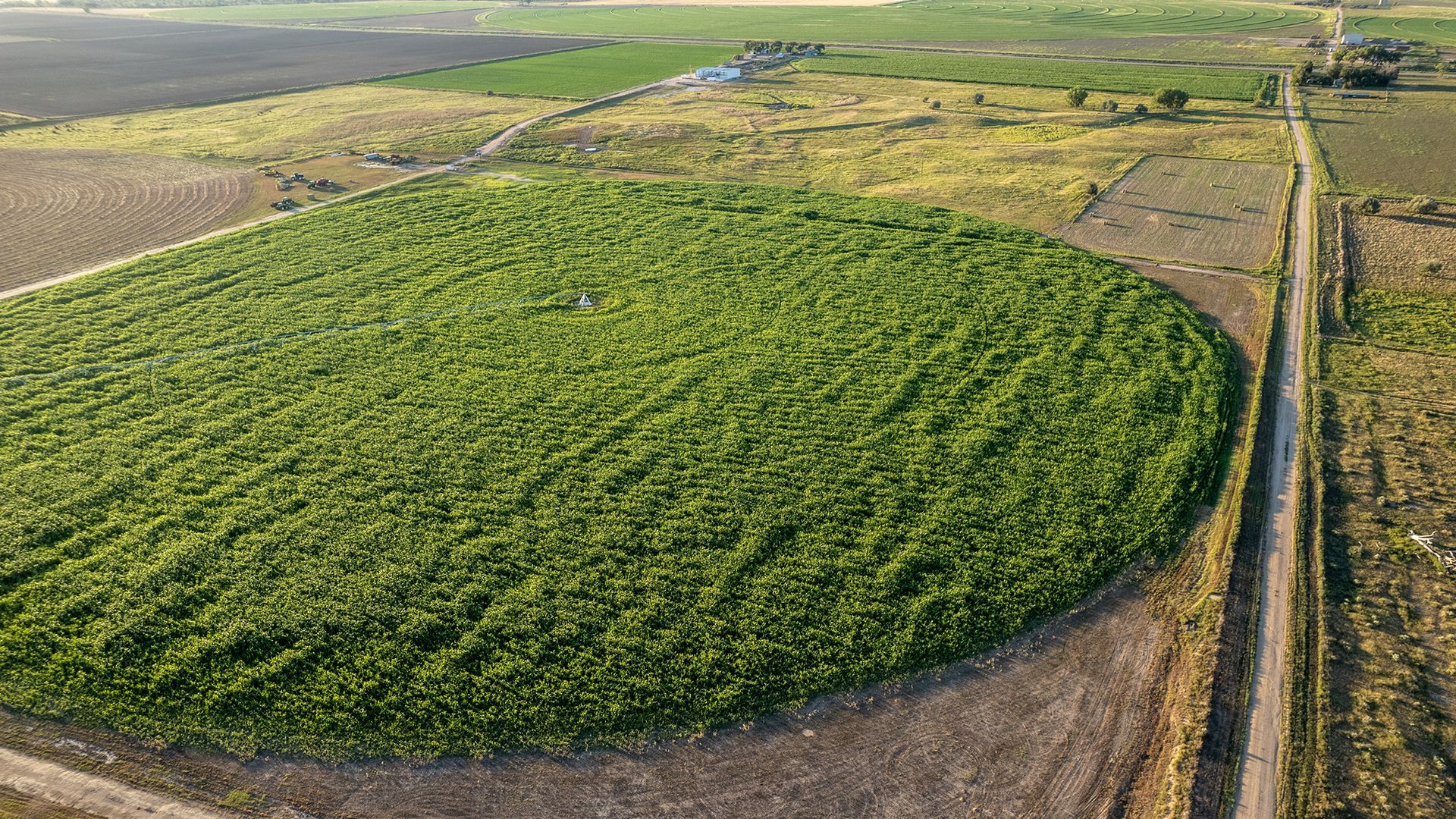
Colorado encompasses 66,700,000 acres. We count 28 million in the mountain ranges and almost 16 million in the plains. A whopping 22 million acres can be classified as croplands. Range lands include several types of grasslands and prairies. A combination of grassland, prairies, savannas, shrub land, deserts, wetlands and marshes, and native meadows can be found in the Colorado plains.


Range Lands Importance to Everyone


Range lands improve the standard of living and quality of life. How? As societies, we rely on wide-open land for many things – things we take for granted. For example, we produce food on rangeland. Animals forage.


Open lands improve the quality of the air and water and can stabilize the climate a little. Land may also mitigate the effect of floods and drought. Under the microscope, we see more. Soil fertility, pollination, and nutrient cycling show up. The biodiversity and profound beauty of Colorado’s pastures and ranges provides us with peaceful cross-country drives.


Range Management Goals


How do we use range management? Savvy landowners build effective management plans to facilitate the care of their agricultural investments. Decisions to plant, water, or rest pastureland can make big differences. Each portion of a property will have its own specific needs and goals.


Customized Range Management Plans


Specific steps need to be customized for each part of a range or pasture. Is there livestock production, watershed conservation, wildlife habitat, recreation, and open space? Of importance will be setting achievable annual goals.


For example, decide on simple but carefully thought-out ways to seed and rest the soil. A farmer may choose to cover a range with good forage plants to attract wildlife. For the health of the livestock and wildlife, landowners might fortify the range. Where will the feed reserve be held? How can a ranch manager plant and/or harvest to prevent soil erosion?


Get Familiar with Plants and Ranges


If you toy around with the idea of managing a ranch, take a step forward. Tour a handful of Colorado ranches. See the Range and Management guide at CSU. Learn the terminology associated with rangeland and pastures. It’s taught in Chapter III in the Table of Contents.

  1. Range and pasture management
  2. Range plants and structures
  3. Common range terms
  4. How plants grow and indicate grazing response
  5. Decreaser plants
  6. Increaser plants
  7. Invader plants
  8. Range sites and ecological sites
  9. Range utilization
  10. Poisonous and injurious plants
  11. Range and ecological site descriptions


Real Estate Agents in SE Colorado


Are you ready to invest in land or run a ranch? Let’s talk about it.


Call Cruikshank Realty (719) 336-7802. Schedule an appointment or come by our office at 20 S. Main Street, Lamar, CO 81052.

Specializing in Residential, Farm and Ranch Real Estate Sales, Management, Auctions, and Exchanges.


The latest from Cruikshank Realty
by Kathy Flippin 3 August 2026
Preparing to sell land in Colorado? Learn what information helps with a Broker Opinion of Value for farms, ranches, acreage, and commercial property.
Field under sprinkler irrigation
by Kathy Flippin 9 July 2026
Selling rural property takes more than putting land online. Learn why local market knowledge matters when selling farms, ranches, homes, and acreage in Southeast Colorado.
by Kathy Flippin 8 July 2026
Thinking about buying farm or ranch land in Southeast Colorado? Learn what to consider before purchasing land, acreage, farms, or ranches near Lamar and the surrounding region. Buying farm or ranch land in Southeast Colorado is about more than finding the right number of acres. It is about understanding the land, the water, the access, the improvements, and the long-term purpose behind the purchase. Whether you are looking for a working cattle ranch, productive farm ground, recreational acreage, or a rural home with room to grow, the right guidance can make all the difference. Southeast Colorado offers a unique mix of agricultural opportunity, wide-open space, small-town communities, and long-term land ownership potential. Buyers are often drawn to this region because of its ranching history, farming roots, affordability compared to many mountain and Front Range markets, and the ability to own land that can serve a real purpose. But before buying land in Prowers County, Bent County, Kiowa County, Otero County, or the surrounding area, there are several important factors to review. One of the first things to consider is water. Water access, wells, irrigation rights, stock water, ponds, and ditches can all affect the value and usability of agricultural land. A property may look perfect from the road, but the water situation can determine whether it works for cattle, crops, horses, wildlife, or future improvements. Buyers should ask detailed questions and review available documentation before making an offer. Access is another major issue. Some rural properties have direct county road frontage, while others may rely on easements or private roads. Legal and physical access are not always the same thing. Before purchasing farm or ranch land, buyers should understand how they will enter the property, who maintains the roads, and whether access works year-round. Fencing and improvements should also be evaluated carefully. Good perimeter fencing, cross-fencing, barns, corrals, loafing sheds, grain storage, shops, and working pens can add real value. On the other hand, older improvements may require repairs or replacement. A local land broker can help you determine whether the existing improvements match the asking price and your intended use. Soil quality, grazing capacity, crop history, conservation programs, leases, mineral rights, and utility availability are also important. Some buyers are looking for dryland farm ground. Others want pasture, hunting land, or a mixed-use property. The more clearly you understand your goals, the easier it becomes to identify the right property. For buyers moving from town to country, it is also important to think about lifestyle. Rural properties may come with longer drives, private wells, septic systems, livestock responsibilities, equipment needs, and different expectations than city homes. That is part of the appeal for many buyers, but it should be understood before closing. Cruikshank Realty, Inc. works with buyers and sellers who understand that land is not just a transaction. It can be a business decision, a family legacy, a lifestyle choice, or an investment in the future. When buying farm or ranch land in Southeast Colorado and the high plains, local knowledge matters. A broker who understands agriculture, rural property, valuations, and the local market can help you ask the right questions before you buy. If you are searching for farmland, ranch land, acreage, or rural property in Southeast Colorado, start with a clear plan. Know your goals, study the property details, and work with professionals who understand the land. The right property can serve your family, your operation, and your future for years to come.