10 Top Remodels for the Ranch-Style Homes Built 50-70 Years Ago
10 Top Remodels for the Ranch-Style Homes Built 50-70 Years Ago
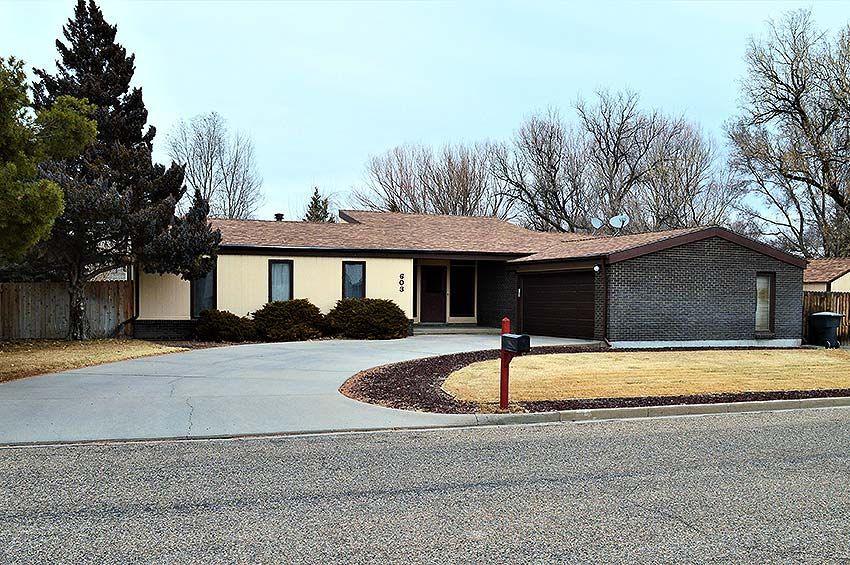
Ranch-style homes – the one-level open-space living popular 50-70 years ago – has been making a comeback during the last several years. Much of the Colorado residential real estate in Lamar fits the bill. Although some buyers prefer to take the decisions on these ranch homes themselves, others appreciate Sellers who already got the job done.
Who Are These Homebuyers?
The demand for smaller homes and one-level homes has been steadily increasing over the past five years. Young professionals and families would like to begin investing instead of renting. Baby boomers are downsizing and desiring to live on less. Both demographics, nonetheless, prefer newer materials and modern designs even as they embrace the smaller footprint.
More recently we see effect of layoffs and changes in the economy that affect all the demographics. It appears that the ranch-style homes are here to stay. Buyers value one-level living without steps.
Ranch-Style Homes and Rambler Homes
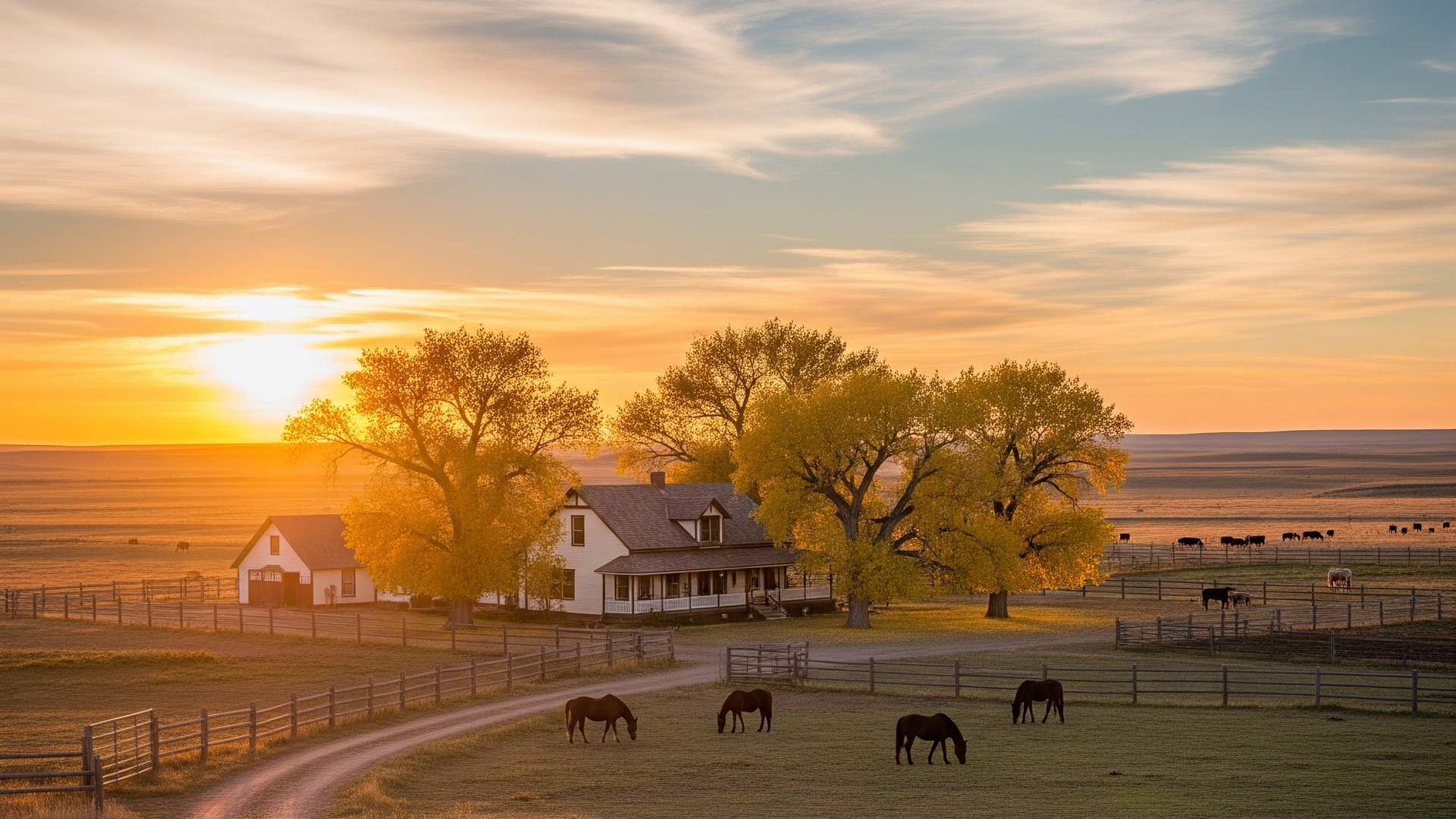
Typically fashioned after ranch homes seen on big cattle Ranches, the ranch-style and Rambler style usually rambles horizontally. It is wide and narrow with wide open spaces and low-pitched roofs. Occupants can readily step outside to porches, yards, or the barn.
10 Remodeling Projects to Add Value
Here are some excellent makeover projects for ranch-style and Rambler homes.
- Paint is a miracle invention. All oak-colored trim should be changed to a dark or light color. For example, if you would like does gray walls, then white trim and white cabinets and a sleek impression. Add a modern-looking chandelier. Also paint old wood trims and paneled walls. On the outside, paint the front door. Create contrast between the color of the house and the trim. For example, paint brick lighter gray and use black around the windows and gutters.
- Single-floor houses built a half a century ago may have partitions or walls between the kitchen, dining area, and living room. One of the top priorities for Sellers with this layout may be removing one or more of those barriers. This can be accomplished easily. It allows for light to enter through windows and adjoining rooms and connects the kitchen to the living areas.
- Remove the flooring and replace it with seamless, wall-to-wall wood-type floors that extend into every room except the bathrooms. Alternately, use tile everywhere.
- Accentuate or enlarge a front porch by extending out a roof and fencing. This breaks up the long, plain exterior. Then add a few symmetrical clusters of bushes to break up the long horizontal look.
- Replace the kitchen and bathroom cabinets or cabinet doors with a sleek style. Stainless steel appliances and kitchen sink will up the vibration. Consider quartz countertops to keep with the homestyle and stay away from granite and marble. Bathrooms could incorporate the large white subway tiles.
- Simply replace the fixtures. Light fixtures, sink fixtures, doorknobs, faucets, etc. If there is an attic, consider adding pot lights.
- Speaking of attics… When a ranch-style home features space above the ceiling, then it is possible to raise the ceiling in the new Great Room.
- Replace some or all small windows with floor-to-ceiling windows. Alternately, hang the curtains from the ceiling to the floor. The vertical lines will make the ceiling appear taller. Add French doors for additional light.
- Have a professional check any textured walls or popcorn ceilings for asbestos.
- Outside, to balance the angular look, and curves to sidewalks, oval garden beds, and interesting grasses and colorful flowers.
Designing Ranch-Style Homes
It is easier to incorporate the midcentury modern style than to take a ranch house and try to make it into a castle. Eliminate excess interest. Go for a sleek look with clean lines, horizontal features, more angles. The Victorian scrolling and dowels used on pony walls need to go.
Real Estate Agents – Lamar Colorado
For more information, please call Gene Cruikshank, Broker/President, Cruikshank Realty at (719) 336-7802. Schedule an appointment or simply drop byt. Cruikshank Realty is located at 20 S. Main Street, Lamar, CO 81052. Specializing in Farm and Ranch Real Estate Sales, Management, Auctions, and Exchanges.
The latest from Cruikshank Realty